.webp)
Bee Swarm Simulator: The Ultimate Howto Guide to Master This Hot Game
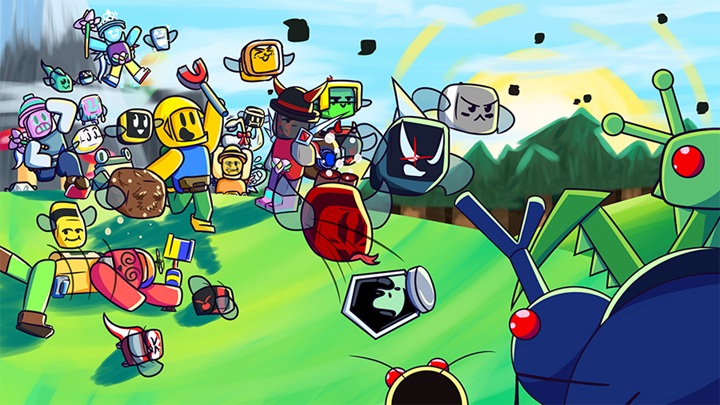
Bee Swarm Simulator is a popular Roblox simulation game that combines collecting, exploration, progression, resource management, quests, and combat. Players build their own bee colony, collect pollen from colorful fields, convert pollen into honey, complete quests, discover new bees, and gradually strengthen their hive.
The core gameplay is easy to understand, but the progression system becomes increasingly detailed as the hive grows. Players need to choose bees carefully, manage their equipment, understand field bonuses, complete quests efficiently, and prepare for stronger enemies.
This howto guide explains the fundamental systems of Bee Swarm Simulator, including collecting pollen, making honey, building a hive, completing quests, defeating enemies, and improving progression. Whether you are starting your first hive or looking for better ways to develop your colony, these strategies can help you get more from this hot game.
1. Understanding Bee Swarm Simulator
The main objective of Bee Swarm Simulator is to build and improve a powerful bee colony. Your bees help collect pollen from fields and defend you against enemies throughout the Roblox world.
Pollen is converted into honey, which can then be used to purchase equipment and improve your progression. As your hive becomes stronger, you can access additional areas, discover new bees, and take on more challenging objectives.
Main Gameplay Elements
- Collecting pollen
- Converting pollen into honey
- Building a bee hive
- Discovering different bees
- Completing quests
- Buying equipment
- Exploring fields
- Fighting enemies
- Collecting tokens
- Improving hive progression
The game combines several progression systems, meaning that improvement does not depend on a single upgrade. Your bees, equipment, quests, resources, and knowledge of the map all contribute to your progress.
The Basic Gameplay Loop
A typical session can follow this pattern:
- Choose a suitable field.
- Collect pollen.
- Use bee abilities and tokens.
- Return to the hive.
- Convert pollen into honey.
- Complete quests.
- Purchase useful upgrades.
- Repeat with stronger equipment.
Understanding this loop is the foundation of the entire game.
2. Starting Your First Hive
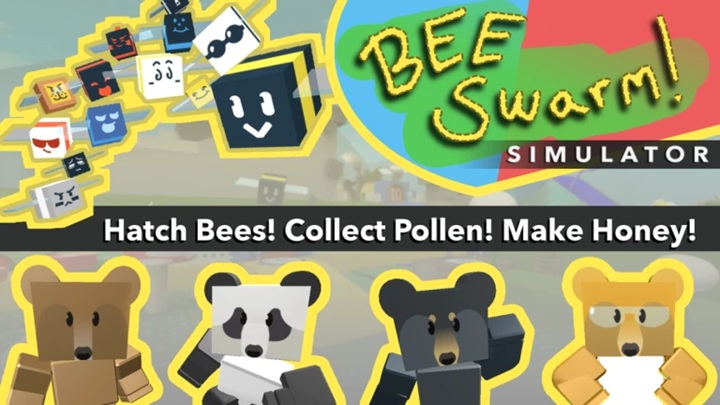
When beginning Bee Swarm Simulator, your first priority should be building a useful and balanced hive. You will gradually unlock more hive slots and collect different types of bees.
Each bee can contribute different abilities, stats, and token effects. Having a variety of bees can help you collect pollen more efficiently and complete different quests.
Focus on Progression
Early in the game, avoid worrying too much about creating a perfect hive. Your priority should be unlocking new areas and improving your basic equipment.
Useful early goals include:
- Expanding your hive
- Completing beginner quests
- Collecting more bees
- Improving your collector
- Upgrading your backpack
- Unlocking new fields
- Gathering honey efficiently
Every new hive slot gives you another bee that can contribute to your colony.
Learn What Your Bees Do
Take time to understand your bees. Some are more useful for certain colors or abilities, while others provide general benefits.
Do not immediately judge a bee only by its appearance. Look at its abilities and understand how it fits into your current hive.
3. Collecting Pollen Efficiently
Pollen is one of the most important resources in Bee Swarm Simulator. Different fields contain different flowers and can provide different collection opportunities.
Your goal is to collect pollen efficiently while using your bees and abilities to increase the amount you gather.
Choosing a Field
When selecting a field, consider:
- Your current quest
- The field's color
- Your bee composition
- Available boosts
- Nearby enemies
- Your current equipment
If a quest requires a particular type of pollen, prioritize the appropriate field rather than collecting randomly.
Use Tokens
Bees generate different tokens that can provide useful effects. Some can increase collection, restore energy, provide movement advantages, or improve your ability to gather resources.
Pay attention to tokens while collecting. Moving toward useful tokens can significantly improve your efficiency.
Move Around the Field
Do not always stand in one place. Move across flowers to collect efficiently and reach tokens generated around the field.
Once you become more comfortable, you can develop movement patterns that allow you to cover large portions of a field without wasting time.
4. Converting Pollen Into Honey
Collecting pollen is only half of the process. Your pollen eventually needs to be converted into honey at your hive.
Your backpack has a limited capacity, so you need to know when to return.
Managing Backpack Capacity
If your backpack becomes full, you cannot continue collecting efficiently. Returning to the hive before reaching maximum capacity can sometimes be useful, especially if you are far from the field.
However, returning too frequently can also waste time. Try to find a balance based on the distance between your field and hive.
Increase Capacity
Upgrading your backpack allows you to collect more pollen before returning to the hive.
When deciding between different equipment upgrades, consider how much they improve your overall collection efficiency rather than focusing only on one statistic.
A larger capacity can be especially valuable once your pollen collection rate increases.
5. Building a Strong Bee Hive
Your hive is the center of your progression. As you unlock more slots and discover new bees, you can gradually develop a more effective combination.
There is no need to build an advanced hive immediately. Early players should focus on learning how different bees contribute to their collection strategy.
Hive Development
Think about:
- Bee abilities
- Bee colors
- Token generation
- Collection bonuses
- Quest requirements
- Your current equipment
- Future progression goals
Some bees may be particularly useful for specific tasks, while others provide benefits that work across many situations.
Avoid Replacing Everything Too Quickly
When you obtain a new bee, compare it with the bee currently occupying that slot. Do not assume every new bee is automatically better.
Understanding why a bee is useful is more valuable than simply collecting as many different bees as possible.
6. Completing Quests Efficiently
Quests are one of the best ways to guide progression. They encourage players to visit different fields, collect specific resources, defeat enemies, and interact with different parts of the world.
Instead of treating quests as side activities, use them to determine what you should do next.
Quest Strategy
Before beginning a farming session, check your active quests and identify overlapping objectives.
For example, if a quest requires pollen from a particular field and an enemy defeat nearby, you can potentially complete both objectives during the same trip.
This reduces unnecessary travel and makes your sessions more efficient.
Prioritize Multiple Objectives
A good routine is:
- Check all active quests.
- Identify shared fields or enemies.
- Choose the most efficient route.
- Collect pollen while completing objectives.
- Return to the hive.
- Turn in completed quests.
- Start the next objective.
This approach allows your regular farming to contribute to multiple goals simultaneously.
7. Fighting Enemies and Bosses
Bee Swarm Simulator is not only about collecting pollen. The world also contains enemies that can challenge your character and bees.
Defeating enemies can provide useful rewards and help with quests.
Combat Tips
- Observe enemy movement.
- Keep moving when necessary.
- Let your bees attack while you focus on positioning.
- Collect useful tokens during combat.
- Avoid unnecessary fights when your health is low.
- Learn which enemies are appropriate for your current progression.
Do not attack enemies that are far beyond your current strength unless there is a specific reason to do so.
Prepare Before Difficult Fights
Before challenging a stronger enemy, make sure your character and hive are ready. Having better equipment and a suitable collection of bees can make combat significantly easier.
If a fight becomes too difficult, retreat and improve your hive before trying again.
8. Using Boosts, Equipment, and Resources
As your hive develops, you will gain access to additional equipment and systems that improve pollen collection and progression.
The important thing is to understand how these bonuses work together.
Equipment Priorities
Depending on your current stage, useful improvements may include:
- Better pollen collection
- Larger capacity
- Increased movement efficiency
- Improved bee performance
- Additional utility
- Stronger combat potential
Do not spend honey simply because you can afford an item. Consider how the purchase will affect your next several farming sessions.
Make Boosts Count
When you have a temporary boost, try to use it during a focused farming session rather than collecting casually.
A boost becomes more valuable when you can spend the entire duration collecting in an appropriate field.
Before activating a major bonus, prepare your route and make sure you have enough time to take advantage of it.
9. Avoiding Common Beginner Mistakes
Bee Swarm Simulator has many systems, and new players can easily waste time by focusing on the wrong priorities.
Common Mistakes
- Ignoring quests
- Farming without a clear objective
- Spending honey randomly
- Ignoring bee abilities
- Staying in one field unnecessarily
- Forgetting to collect useful tokens
- Fighting enemies that are too strong
- Returning to the hive too frequently
- Failing to upgrade equipment
- Trying to build an advanced hive too early
One of the biggest mistakes is farming pollen without considering your current objectives. If you have active quests, use them to guide your farming locations.
Another mistake is spending resources without considering future progression. Before buying an upgrade, think about whether it will meaningfully improve your collection rate or unlock an important new opportunity.
How to Improve
A simple improvement routine is:
- Check your quests.
- Choose the best field.
- Farm efficiently.
- Collect useful tokens.
- Convert pollen into honey.
- Upgrade strategically.
- Repeat.
This keeps your progression organized instead of random.

10. Why Bee Swarm Simulator Is a Hot Game
Bee Swarm Simulator remains a hot game because it combines simple resource collection with a surprisingly deep progression system. Players can spend a short session collecting pollen or dedicate much longer sessions to developing their hive and completing ambitious objectives.
The game also provides constant reasons to improve. More bees unlock new possibilities, better equipment increases efficiency, and new areas introduce additional challenges.
Reasons to Play
- Large progression system
- Collectible bees
- Different bee abilities
- Pollen farming
- Honey economy
- Quests
- Combat
- Exploration
- Equipment upgrades
- Long-term progression
The social and community aspects of Roblox also contribute to its appeal. Players can compare hives, discuss strategies, discover new builds, and learn from other players.
For players who enjoy incremental progression, collection systems, and simulation gameplay, Bee Swarm Simulator provides plenty of goals to work toward.
Conclusion
Bee Swarm Simulator is a Roblox experience built around collecting pollen, producing honey, developing a bee hive, completing quests, exploring different fields, and defeating enemies. Although the basic gameplay is easy to understand, the progression system provides many opportunities for deeper strategy.
For a strong howto approach, begin by focusing on quests, learning your bees, choosing efficient farming locations, and upgrading equipment carefully. Avoid wasting resources or farming without a clear objective.
As your hive grows, you can experiment with different bees, improve your equipment, take on stronger enemies, and explore more of the world. With consistent progression and smart resource management, Bee Swarm Simulator can become an engaging hot game with plenty of long-term goals.