.webp)




Introduction
Within the enormous sandbox ecosystem of Roblox, simulator-style experiences frequently rise to prominence by combining simple mechanics with satisfying progression loops. One of the most notable examples in recent years is Fish It!, a multiplayer fishing experience that transformed a quiet pastime into one of the platform’s most engaging incremental simulators.
Unlike high-intensity action titles, Fish It! focuses on slow, methodical progression. Players cast fishing lines, catch increasingly rare aquatic creatures, and upgrade equipment to explore deeper and more dangerous waters. What makes the game fascinating is not just its relaxing gameplay, but how it built a massive player base through accessible mechanics, rare fish collection systems, and constant world expansion. The game’s design reflects a broader trend on Roblox: transforming simple actions into addictive long-term economies where collection, upgrades, and rarity drive engagement.

1. The Origins of Fish It! and the Fishing Simulator Revival
Fishing simulators have existed on Roblox for years, but most followed a predictable formula. Players would fish, sell catches, upgrade rods, and repeat the cycle.
Fish It! emerged in October 2024, developed by the studio Fish Atelier, entering the platform during a period when players were actively looking for new simulator experiences.
The developers focused on simplicity. Instead of building complex fishing mechanics, the game emphasized fast feedback and constant progress.
Early Design Principles
- Easy-to-understand controls
- Quick reward cycles
- Relaxed multiplayer environment
- Incremental gear upgrades
These principles allowed new players to immediately understand the gameplay loop.
Accessibility as a Core Philosophy
Unlike some earlier fishing games that required precise timing, Fish It! simplified the interaction so players could focus on collecting rather than mastering difficult mechanics.
2. The Core Fishing Loop That Drives the Game
At its heart, Fish It! revolves around a very simple gameplay loop: cast, wait, catch, sell, upgrade.
Players begin on a starter island with a basic fishing rod and minimal resources. From there, they gradually build their fishing empire.
The Fishing Process
- Cast the fishing line into water.
- Wait for the bobber to react when a fish bites.
- Reel the fish in by managing tension.
- Add the fish to inventory.
- Sell fish for coins.
This straightforward loop creates a rhythm that keeps players engaged for long sessions.
Incremental Reward Feedback
Each successful catch produces immediate visual and sound effects, reinforcing a sense of accomplishment.
Over time, the accumulation of coins unlocks stronger gear and new areas.
3. The Massive Fish Collection System
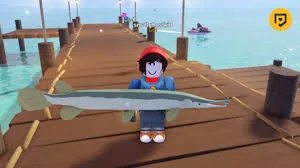
One of the defining features of Fish It! is its enormous fish catalog.
The game contains an enormous number of fish variations, each with different rarity levels, values, and visual designs.
This system transforms fishing from a repetitive task into a long-term collection challenge.
Fish Rarity Tiers
- Common
- Uncommon
- Rare
- Epic
- Legendary
- Mythical
Higher rarity fish appear less frequently but reward players with greater coin payouts.
The Collector’s Motivation
The rarity ladder encourages players to keep fishing, hoping that the next cast will reveal a rare species.

4. Island Exploration and Expanding Ocean Worlds
The game’s world is divided into multiple fishing zones spread across islands.
Each location contains different species and environmental features.
Example Fishing Areas
- Fisherman Island
- Coral Reefs
- Tropical Grove
- Ancient Jungle
- Deep Ocean zones
Exploring new areas is essential because some rare fish only appear in specific locations.
Environmental Variety
The developers designed each island with distinct visual themes such as glowing reefs or volcanic waters.
This prevents the fishing process from feeling repetitive.
5. Equipment Progression and Rod Upgrades
Progress in Fish It! is heavily tied to equipment upgrades.
Players use coins earned from selling fish to purchase stronger fishing rods and accessories.
Key Gear Types
- Fishing rods
- Bait
- Hooks
- Bobbers
Each piece of equipment improves certain aspects of fishing performance.
The Importance of Rod Power
Stronger rods allow players to catch larger and rarer fish.
They also unlock deeper fishing zones that weaker rods cannot access.
6. The Fishing Journal and Completionist Goals
To keep players engaged long-term, Fish It! includes a journal system that records every species discovered.
The journal functions as a digital encyclopedia of fish.
Journal Features
- Fish images and descriptions
- Rarity classification
- Spawn location information
- Missing species tracking
This feature turns fishing into a completion challenge.
Players gradually fill the journal as they explore new zones and discover rare creatures.

7. Events, Expansions, and World Updates
Regular updates are one of the reasons the game remains popular.
Developers frequently add new fish species, islands, and special events.
For example, expansion updates have introduced dozens of new fish and additional secrets hidden across the map.
Examples of Update Content
- New island zones
- Secret rare fish
- Seasonal events
- Special cosmetic skins
These updates ensure that veteran players always have new goals.
8. Multiplayer Fishing and Social Gameplay
Unlike traditional single-player fishing games, Fish It! encourages social interaction.
Players often fish together on the same island or explore new zones as a group.
Multiplayer Features
- Shared fishing areas
- Player trading systems
- Cooperative exploration
- Friendly competition
Fishing alongside other players makes the experience feel lively.
Social Economy
Trading rare items or rods becomes a secondary gameplay layer.
Players sometimes exchange gear to accelerate their progress.
9. AFK Fishing and the Idle Gameplay Trend
One of the most controversial features of Fish It! is its AFK-friendly progression system.
Some players unlock automated fishing mechanics that allow the game to progress while they are away from the keyboard.
This contributes to long session times and large player counts.
Idle Progression Characteristics
- Automated casting systems
- Passive coin generation
- Long idle sessions
- Continuous inventory growth
This system appeals to players who enjoy incremental games.
Impact on Player Numbers
Because players can remain connected while idle, servers often appear highly populated.
10. The Cultural Impact of Fish It! on Roblox
Despite its simple mechanics, Fish It! has achieved remarkable popularity.
At its peak, the game reached millions of concurrent players and billions of visits across the platform.
This success highlights an important trend in Roblox game design: players often prefer relaxing, repetitive experiences over complex gameplay systems.
Reasons for Its Popularity
- Simple gameplay loop
- Strong progression system
- Rare collectible items
- Regular updates
These factors combined to create a highly addictive but low-pressure gaming experience.
A New Era for Simulator Games
Fish It! demonstrates that even quiet activities like fishing can dominate the Roblox charts when paired with effective progression design.
Conclusion
Fish It! represents a modern evolution of the simulator genre on Roblox. By combining a relaxing fishing activity with massive collection systems, equipment upgrades, and expanding island worlds, the game transformed a simple concept into a large-scale multiplayer economy. The accessible mechanics make it easy for new players to begin fishing immediately, while rare species and progression systems provide long-term goals. Continuous updates and social gameplay further sustain player engagement, helping the game maintain a massive player base long after its launch. Ultimately, Fish It! proves that within Roblox’s user-generated ecosystem, even the calmest activities can evolve into global gaming phenomena when supported by strong progression design and community interaction.