



"World of Warships" is a tactical naval combat game built around strategy, positioning, map awareness, and ship specialization. Unlike traditional shooters or action games, battles in World of Warships unfold slowly but explode with intensity once ships clash. Mastering the game requires patience, understanding ship classes, predicting enemy movements, and learning how to control vision, angles, and firepower.
This guide will help you evolve from a basic captain into a true commander capable of turning every naval engagement into a calculated victory. With structured insights, practical tips, and strategic breakdowns, you’ll understand how to dominate the seas across all tiers and ship types.
Understanding the Core Philosophy of Naval Combat
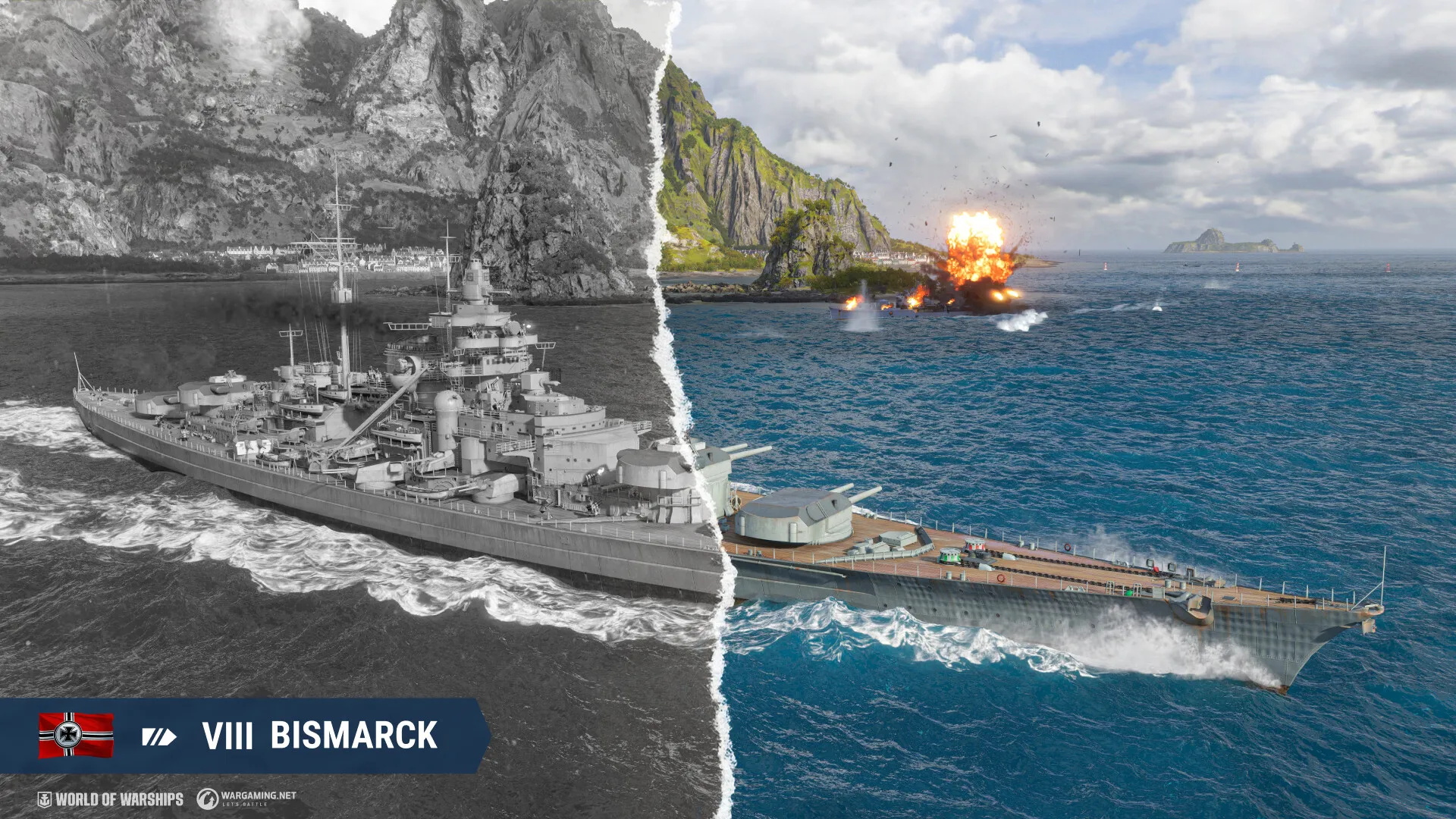
Before you can master World of Warships, you must embrace its core philosophy: battles are won long before ships exchange fire. Positioning, angling, concealment, and map knowledge matter more than raw damage output.
Unlike fast-paced shooters, naval combat demands thoughtful planning. Your ship cannot instantly turn or accelerate. Every decision has momentum. A wrong push, a poorly chosen flank, or an early broadside can define the outcome of a match.
Understanding the flow of battle includes reading enemy intentions, predicting torpedo lanes, and controlling engagement distances. If you treat every battle as a chessboard—where each move shapes the next—you will consistently outperform less disciplined players.
Subheading: A Game of Patience
True mastery comes from measured decisions, not reckless aggression.
Choosing the Right Ship Class for Your Playstyle
World of Warships features four main ship classes—each with its advantages, weaknesses, and battlefield roles. Choosing the right class is essential for long-term success.
Destroyers are stealthy assassins. You rely on concealment, torpedoes, and map control. You spot enemies, cap zones, and hunt battleships.
Cruisers serve as flexible support ships. They can counter destroyers, set fires with HE shells, and support flanks with sustained firepower.
Battleships deliver massive alpha damage but require accurate aiming and excellent positioning. They punish broadside targets and tank damage for the team.
Aircraft carriers operate from afar, controlling the skies and striking vulnerable enemies with planes. They rely on map knowledge, timing, and prediction.
Subheading: Identify Your Natural Role
Pick the class that matches your temperament—stealth, support, firepower, or control.
Mastering Positioning and Angling
Positioning is the single most important skill in World of Warships. A well-angled battleship can shrug off damage. A poorly positioned cruiser can be deleted in seconds. Good positioning allows you to control engagement ranges, protect concealment, and maintain escape routes.
Angling is your armor technique. Always face enemies at a 30°–45° angle. This reduces incoming penetration and forces opponents to aim more carefully. Broadside positions are death—never give the enemy your side unless absolutely necessary.
Use islands, smoke screens, and friendly ships as tools. Position behind cover when reloading. Push when enemies retreat. Hold a flank when opponents overextend.
Subheading: Think Two Moves Ahead
Your goal is not to survive temporarily—it is to control the flow of battle.
Understanding Concealment, Detection, and Vision Control
Vision is power. In World of Warships, spotting and concealment determine who lands the first strike and who survives engagements. Mastering concealment allows you to disappear from enemy range, reposition freely, and ambush unsuspecting targets.
Destroyers excel in concealment and are the eyes of the team. Cruisers and battleships rely heavily on destroyers for vision support. When you understand detection radiuses, radar zones, and smoke dispersion, you control the battlefield.
Never fire your guns without considering how it affects detection. Many captains reveal themselves unnecessarily, throwing away concealment advantages. Learn to disengage properly using smoke, islands, or kiting angles.
Subheading: Playing the Vision Game
If you can see the enemy while staying hidden, you win engagements before they start.

Perfecting Aiming, Shell Choice, and Damage Output
Damage output requires more than good aim—it demands knowledge of mechanics. Armor-piercing (AP) excels against broadside cruisers and battleships. High-explosive (HE) is best for angled targets and destroyers. Switching shell types at the right time dramatically boosts your damage.
Understanding shell arcs is crucial. US cruisers fire high arcs; Soviet cruisers fire lasers. Battleships fire slow but devastating volleys. Learn how your shells travel and where they land.
Predict enemy movement. Lead your shots properly. Slow ships require long lead; fast destroyers require quick adjustments. When you master aiming, you become a consistent threat.
Subheading: Damage Is a Result of Precision
Your gun skill is a weapon—but only if your positioning and timing support it.
Using Torpedoes, AP Mechanics, and Citadel Hits
Torpedoes are deadly tools. Every destroyer player must master torpedo prediction, distance, and timing. Never fire torpedoes blindly. Instead, anticipate enemy paths, force them into choke points, and use islands as cover for surprise releases.
Citadel hits represent the highest burst potential in the game. Hitting an enemy's citadel requires knowledge of ship layouts, angles, and weak spots. Broadside cruisers and careless battleships are perfect targets.
Learning citadel mechanics transforms your performance. Suddenly, one volley can delete ships and swing the match.
Subheading: Control Enemy Movement
Torpedoes aren’t just weapons—they are zoning tools that shape enemy behavior.
Developing Map Awareness and Battlefield Reading
Map awareness separates average players from high-skill captains. Check the minimap constantly. Reading enemy distribution reveals which flank collapses first, where support is needed, and when it's safe to push forward.
At the start of each match, analyze:
- Enemy destroyer positions
- Radar cruiser threats
- Carrier spotting patterns
- Battleground funnels and choke points
- Allied ship deployments
Respond to the battle, don’t just react. If one flank collapses, rotate early. If a destroyer disappears unexpectedly, assume torpedoes are en route.
Subheading: Anticipation Over Reaction
The best players act before danger arrives.
Mastering Teamplay, Communication, and Synergy
World of Warships is a team-based tactical game. Lone-wolf play is rarely effective. Winning requires coordination—supporting destroyers, focusing on high-value targets, and pushing objectives together.
Protect allied destroyers; they win games. Provide cover fire for cruisers. Battleships must anchor flanks; cruisers must control destroyers. Carriers must scout and strike intelligently.
Use quick commands to mark targets, request support, or warn allies. Even simple communication dramatically improves team synergy.
Subheading: Become a Leader on the Seas
A well-coordinated battle group can overwhelm stronger individual opponents.
Late-Game Decision Making and Carry Potential
The late game is where battles are won or lost. When ship numbers decrease, individual skill matters more. Preserve your HP early so you can push confidently in the final minutes.
Late-game priorities:
- Eliminate spotted destroyers
- Push caps intelligently
- Secure crossfires
- Survive while dealing maximum damage
- Avoid unnecessary duels
High-level players excel in clutch decisions. They identify weak opponents, exploit open flanks, and secure objectives at the perfect time.
Subheading: Keep Calm Under Pressure
Late-game composure defines legendary captains.
Long-Term Progression, Captains, and Ship Lines
World of Warships has deep progression layers. Every ship line emphasizes different strengths. Every captain brings unique talents that change playstyle dramatically.
Choosing the right line influences your mastery path:
- US cruisers: radar control
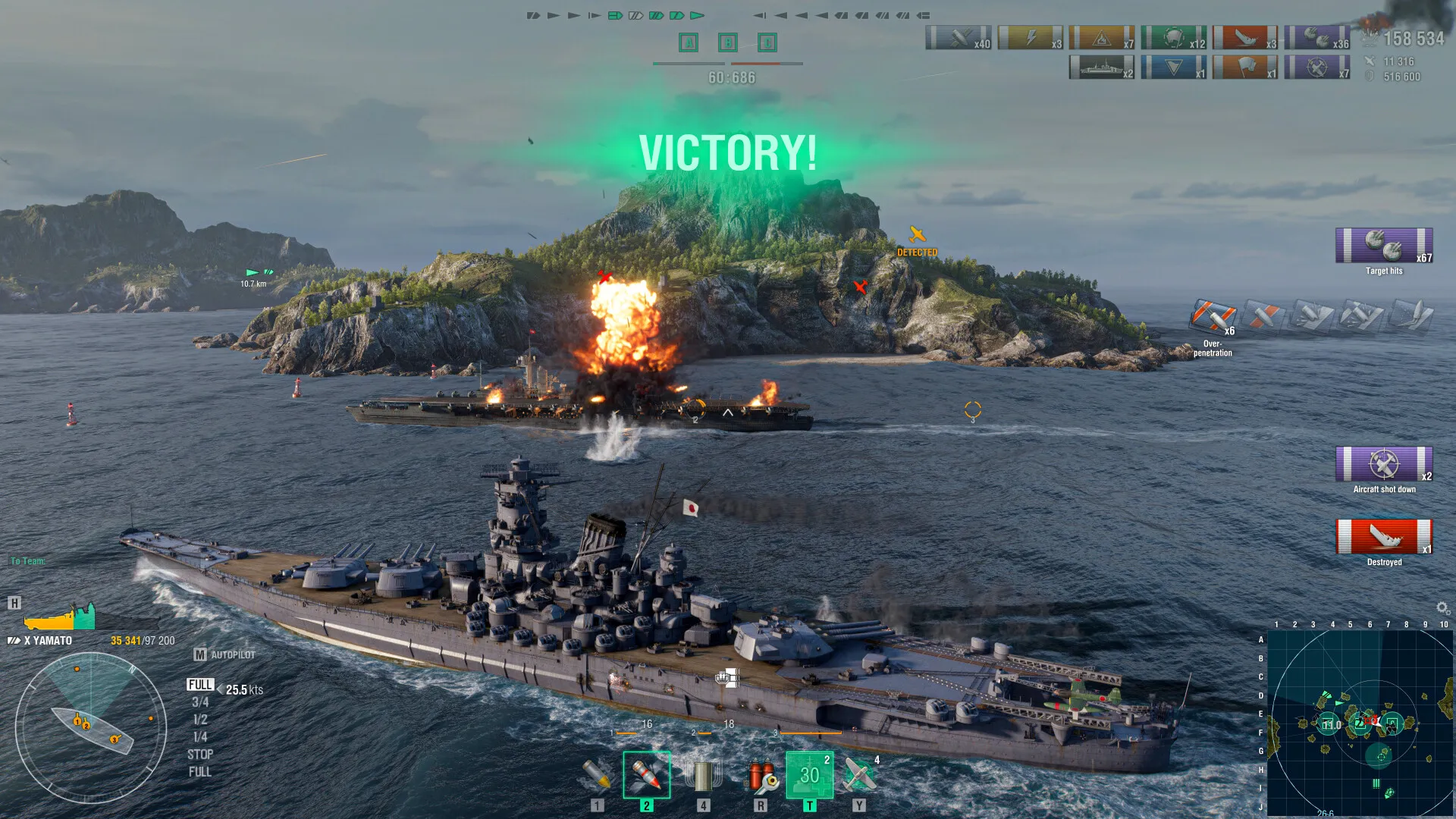
- Japanese battleships: accuracy and range
- German battleships: armor and secondaries
- Soviet destroyers: speed and firepower
- British cruisers: smoke and agility
Captain skills unlock accuracy bonuses, concealment boosts, torpedo improvements, defensive benefits, and more. Choose skills that fit your playstyle rather than random upgrades.
Subheading: Specializing Creates Experts
Focus on one ship line until you understand its philosophy completely.
Conclusion
Mastering World of Warships is a journey of strategy, patience, and tactical discipline. Victory does not belong to the fastest ship or the strongest guns—it belongs to those who understand positioning, concealment, teamplay, and battlefield flow.
If you build ship knowledge, practice map awareness, refine your aim, and make intelligent decisions, you will rise from a novice captain to a commander feared across the seas. The ocean rewards the wise, the skilled, and the patient. Sail with intent, fight with precision, and command the seas with mastery.