Paralives – When Creativity Replaces Progression
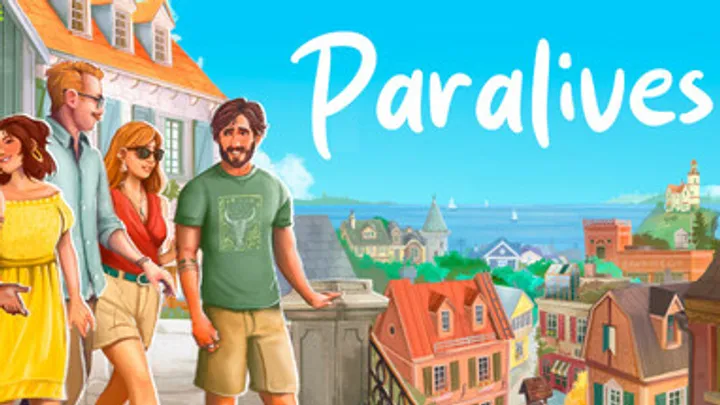
Life simulation games have traditionally balanced creativity with restriction. Players may customize homes, decorate rooms, and shape communities, but these activities are often constrained by grid systems, fixed object sizes, predetermined wall heights, and strict placement rules. Such limitations help structure gameplay, yet they also define the boundaries of player expression.
Paralives approaches the genre from a fundamentally different perspective. Rather than treating construction as a secondary activity attached to social simulation, it elevates architectural freedom into one of the central pillars of the experience. The game removes many of the traditional restrictions that have defined life simulation building tools for decades. As a result, progression becomes less about accumulating wealth or unlocking items and more about expanding creative possibilities. This article explores how Paralives transforms architectural freedom into its most important gameplay language.
1. The Rejection of Traditional Building Constraints
Most life simulation games rely on invisible rules.
Walls snap to predetermined positions. Furniture aligns to grids. Rooms conform to standardized dimensions. These systems simplify construction but also limit experimentation.
Paralives challenges this philosophy by allowing walls, windows, and objects to move more freely. Instead of forcing players to adapt their ideas to the toolset, the toolset adapts to player imagination. This shift immediately changes how construction is perceived.
The result is a building process that feels less like solving a puzzle and more like sketching an idea. Creative intention becomes the starting point rather than the final reward.
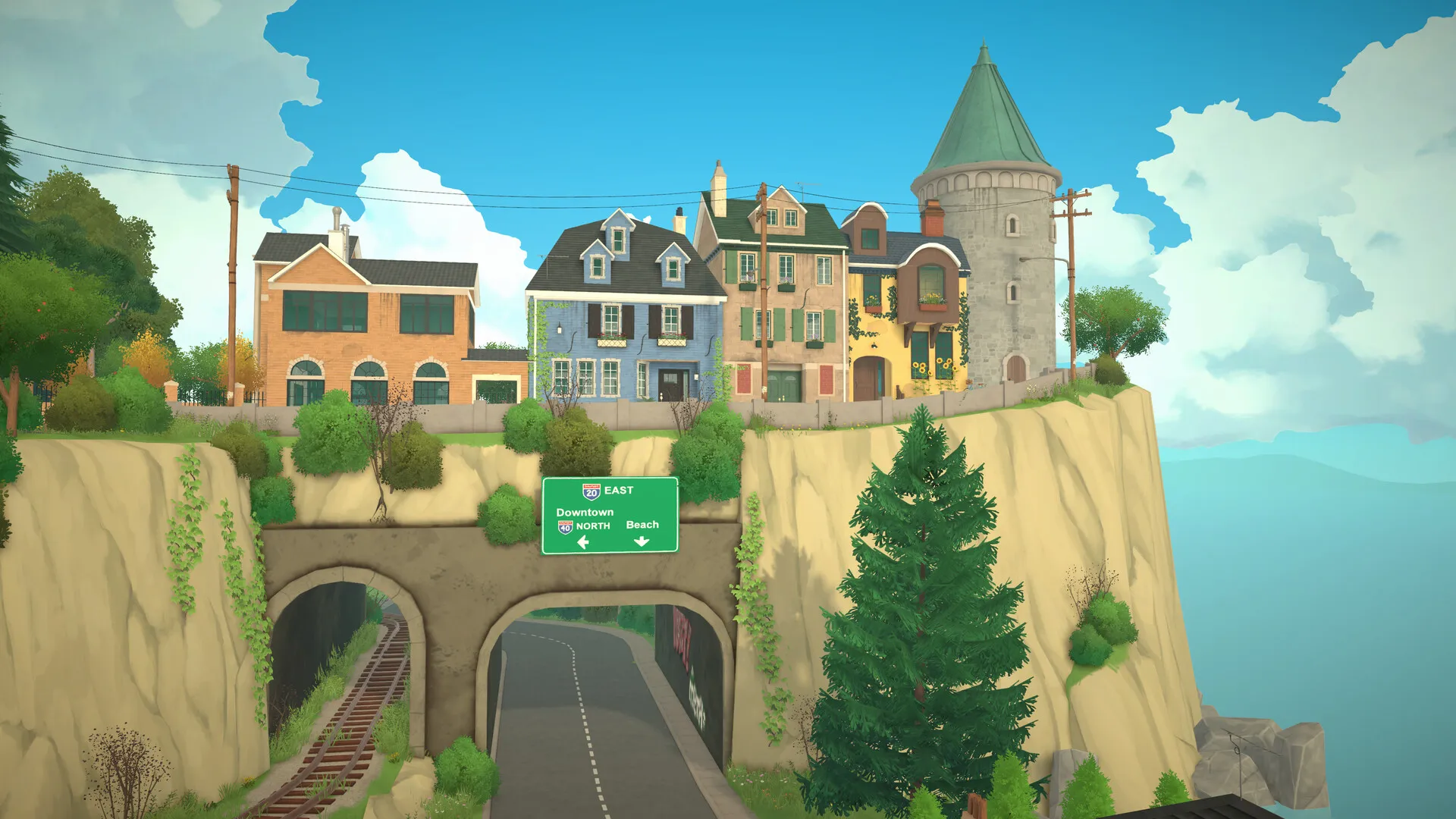
2. Flexible Walls and Dynamic Architecture
One of the most notable innovations involves wall manipulation.
Players can stretch, curve, resize, and adjust structures without relying entirely on rigid grids. This creates opportunities for more organic building designs.
Architecture as expression
Traditional systems often produce neighborhoods filled with similar-looking homes. Flexible walls encourage individuality.
A player's architectural choices become reflections of personal style rather than accommodations to mechanical limitations.
This freedom transforms houses into narratives. A structure communicates identity before any character even enters it.
3. Object Scaling and Personal Design Language
Furniture placement is no longer restricted to predefined dimensions.
Objects can be resized and adjusted according to the player's preferences.
Customization without replacement
Instead of searching endlessly for the perfect item, players can modify existing items to fit specific visions.
This dramatically expands creative possibilities while reducing dependence on large content libraries.
The focus shifts away from collecting more objects and toward finding new uses for existing ones.
4. The Psychological Impact of Unlimited Possibility
Freedom changes player behavior.
When restrictions disappear, players begin approaching construction differently. Instead of asking what is allowed, they ask what is possible.
Creative ownership
Buildings become personal achievements because solutions emerge directly from imagination.
Players feel greater attachment to environments they designed without compromise.
This emotional investment strengthens long-term engagement far more effectively than traditional progression rewards.
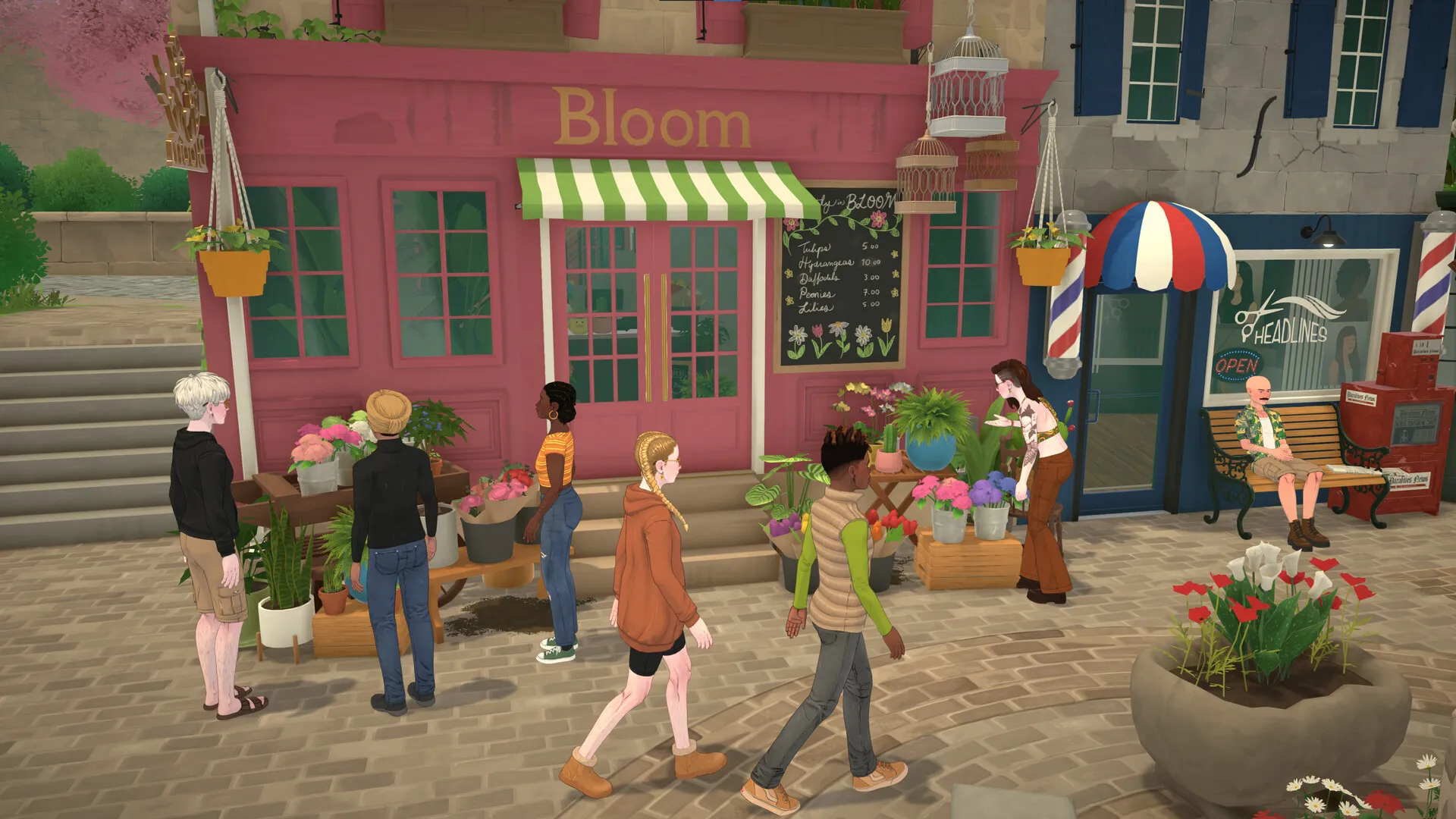
5. Interior Design as Functional Storytelling
Rooms communicate information.
Furniture arrangement, lighting choices, and decorative themes reveal personality traits and lifestyles.
Environmental identity
Paralives encourages players to think of interiors as storytelling tools rather than collections of objects.
A workshop, library, or studio reflects the habits of its inhabitants.
The house becomes a visual biography.
6. Community Sharing and Creative Ecosystems
Creative freedom naturally encourages sharing.
Players frequently exchange designs, architectural ideas, and building techniques.
Collaborative inspiration
The community becomes an extension of the game's content pipeline.
One player's innovation inspires dozens of new approaches.
As a result, creativity scales beyond individual imagination and becomes a collective resource.
7. Progression Through Skill Rather Than Unlocks
Many simulation games gate creativity behind economic systems.
Players earn money to access larger homes and better furniture.
Paralives shifts emphasis toward player skill.
Knowledge-based advancement
Improvement comes from learning design principles, mastering tools, and refining creative techniques.
The player progresses intellectually rather than financially.
This creates a more sustainable progression model.
8. The Relationship Between Characters and Architecture
Characters do not exist separately from their environment.
Their homes influence daily routines, relationships, and emotional experiences.
Living spaces as gameplay systems
Architecture affects how stories unfold.
Room layouts shape movement patterns and social interactions.
Design decisions therefore carry both aesthetic and practical consequences.
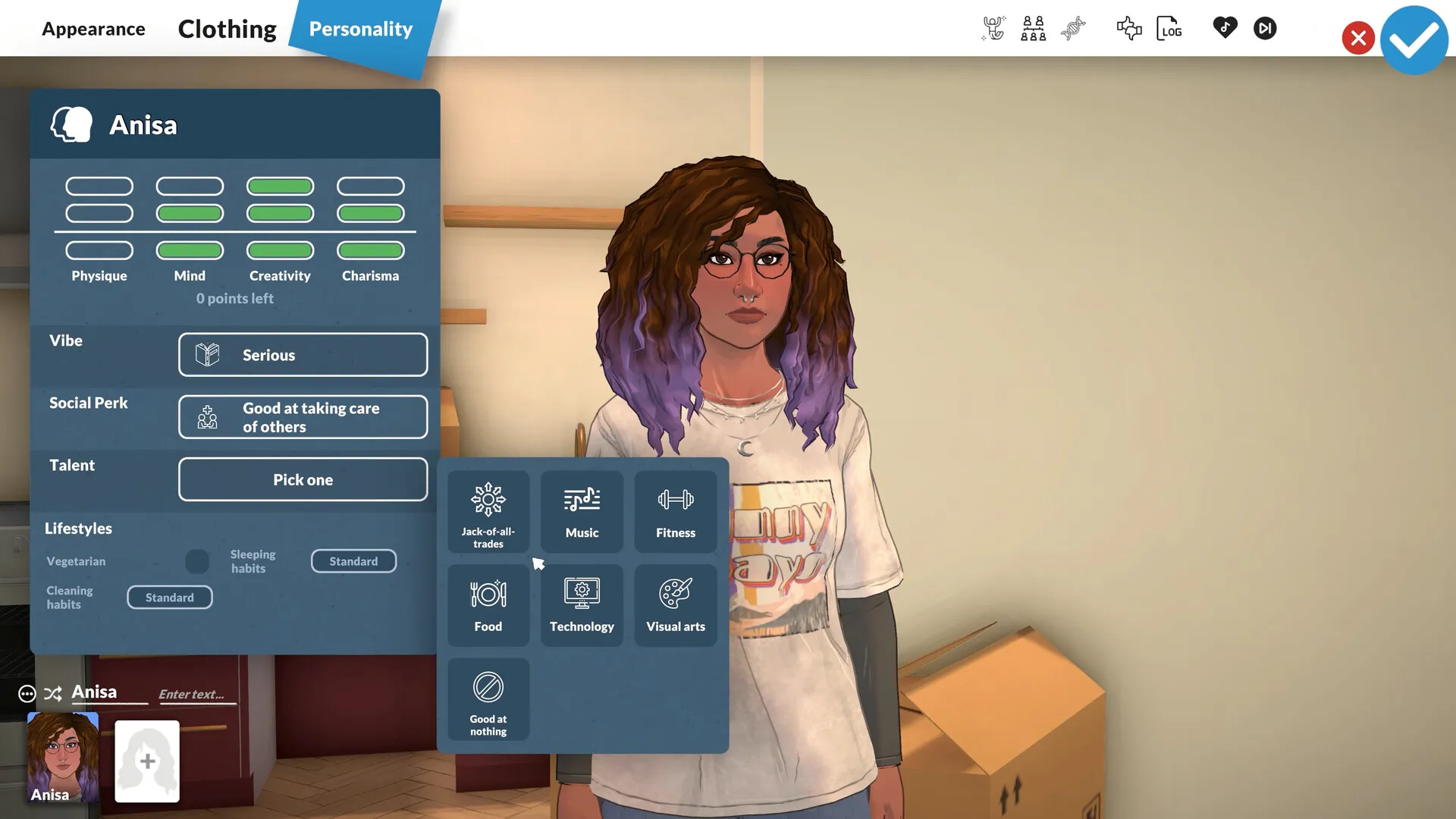
9. Why Freedom Requires Strong Tools
Unlimited possibility can become overwhelming.
Creative freedom succeeds only when supported by intuitive systems.
Accessible complexity
Paralives balances flexibility with usability.
Tools remain approachable despite offering extensive control.
This balance ensures that freedom empowers rather than frustrates players.
The design challenge is not removing restrictions alone but making freedom manageable.
10. The Future of Life Simulation Creativity
Paralives represents a broader shift within the genre.
Players increasingly seek systems that prioritize expression over optimization.
Creativity as progression
The game suggests an alternative model where personal imagination replaces traditional advancement structures.
Success is measured not by wealth, levels, or achievements but by the ability to create meaningful spaces.
This philosophy positions creativity itself as the ultimate reward.
Conclusion
Paralives challenges long-standing assumptions about life simulation design by placing architectural freedom at the center of the experience. Through flexible construction tools, object scaling, and reduced placement restrictions, the game transforms building from a supplementary feature into a primary form of progression. Instead of unlocking creativity gradually, players receive powerful tools from the beginning and are encouraged to grow through experimentation.
By replacing rigid constraints with expressive flexibility, Paralives creates a design environment where imagination drives advancement. Homes become stories, architecture becomes identity, and creativity becomes the most meaningful measure of success. In doing so, Paralives demonstrates how freedom itself can function as a compelling gameplay system.