The Evolution of Community and Collaboration in Fortnite: A Deep Dive
Introduction
Fortnite, developed by Epic Games, has transcended its origins as a battle royale game to become a cultural phenomenon that emphasizes community and collaboration. With its unique blend of gameplay mechanics and social elements, Fortnite's impact on gaming culture is profound. However, a specific issue arises within its collaborative aspects: the balance between competitive gameplay and community engagement. This article explores how Fortnite cultivates community through collaboration while also grappling with the dynamics of competition, examining its effects on player interaction, inclusivity, and overall game experience.
The Birth of a Community-Centric Game
Foundations of Fortnite
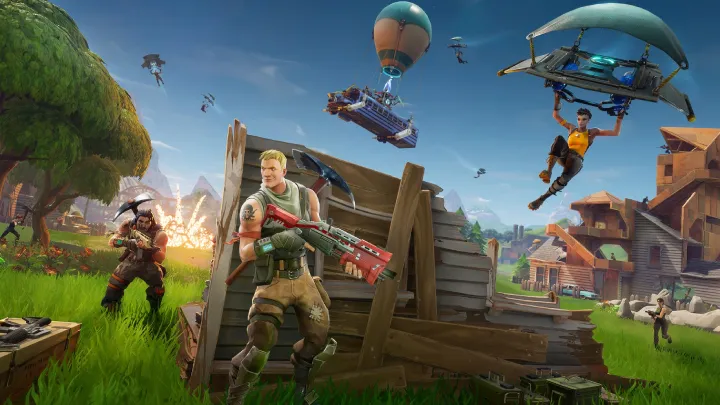
Released in 2017, Fortnite's initial mode, Save the World, focused on cooperative gameplay against AI-controlled enemies. However, the game skyrocketed to popularity with the introduction of the Battle Royale mode—rapidly drawing millions of players into its colorful, vibrant world. This mode's primary focus shifted toward competition; however, community interactions remained central.
The Role of Social Features
Fortnite's success can be largely attributed to its robust social features. From voice chat to emotes and collaborative building mechanics, the game is designed to foster interaction among players. These features create a unique social playground, allowing individuals to connect through shared events and experiences. Players are not just competitors but also potential teammates and friends, setting the foundation for community-oriented gameplay.
The Dynamics of Team Play
Formation of Squads and Duos
Fortnite allows players to team up in various formats, including solo, duo, and squad modes. The collaborative nature of squad play encourages players to form strategies and communicate effectively to achieve victory. This teamwork aspect emphasizes trust and synergy, introducing dynamics that elevate the game from mere competition to a collective experience.
Communication and Strategy
Effective communication is vital in Fortnite's squad-based modes. Players must vocalize their strategies, share resource management, and provide intel on enemy movements. The push for collaboration through voice chat or pre-defined emotes fosters a sense of camaraderie among players. In this context, teamwork becomes as crucial as individual skill—creating a balance between competition and community.
The Role of Events and Challenges
Seasonal Events and Community Engagement
Fortnite’s seasonal updates and in-game events serve as major catalysts for community engagement. Events like Fortnite Mares or the Fortnite Live concerts attract players into a shared experience, blending gameplay with community celebration. These events not only encourage participation but also promote social interactions among players who gather to experience the same moment.
Community Challenges
Regular community challenges further galvanize players. These challenges often require collective efforts across the player base, fostering a sense of unity. For instance, challenges that require players to accomplish specific tasks as a community create a bonding experience that can transcend the competitive atmosphere. With player cooperation as the driving force, these events reinforce the game's commitment to fostering a collaborative environment.
The Inclusivity Factor
Representation Within Fortnite
Fortnite has committed to inclusivity in various ways, particularly through character skins and cultural events. The availability of diverse character options—encompassing various ethnicities, genders, and backgrounds—invites players to find representation within the game. This inclusivity is crucial in building a community that respects and celebrates diversity.
Building Bridges Across Communities
Moreover, Fortnite has engaged in numerous collaborations with artists and brands from different cultural spheres. Events that feature celebrities or cultural icons invite a broader audience, addressing diverse communities and encouraging participation. By doing so, Fortnite cultivates an environment where everyone feels welcomed, providing vast opportunities for players to connect over shared interests.
The Competitive Landscape
Balance of Competition and Collaboration
While Fortnite champions community and collaboration, it simultaneously thrives on its competitive nature. Solo and duo modes exemplify the game's competitive edge—where only one player or team can emerge victorious. This competitive drive can often create tension within the community, as players may feel pressured to perform at their best, sometimes leading to a disconnect from the collaborative spirit.
Toxicity and Rage Quitting
Competition can also evoke negative behaviors, including toxicity and rage quitting. Players frustrated by their performance may lash out at teammates or abandon games altogether. This behavior disrupts the collaborative experience that Fortnite aims to promote and poses challenges to maintaining a positive community atmosphere.
The Role of Content Creators
Influencers and Their Impact
Content creators play a pivotal role in shaping the Fortnite community. Streamers and YouTubers provide entertainment while promoting collaboration by showcasing group gameplay. These influencers often highlight the importance of teamwork and friendship, inspiring others to foster collaborative efforts.
Building Community Through Shared Experiences
Influencers also utilize events and challenges to create shared experiences among their followers. By hosting squad games or participating in community events, these creators encourage their audiences to interact, engage, and form connections. The bridging of followers into the larger Fortnite community enhances the collaborative spirit and allows players to experience the game together.
The Evolution of Mechanics and Features
Adaptations for Collaborative Play
Epic Games continually adapts and evolves Fortnite’s mechanics to promote community engagement. Features like the Creative mode allow players to build custom maps and game modes together, fostering collaboration beyond competitive play. This evolution creates shared spaces for players to express creativity while reinforcing social bonds.
Introducing Cross-Platform Play
The introduction of cross-platform play has significantly enhanced community building in Fortnite. Players can connect with friends across various consoles and devices, broadening the community's reach. This seamless interaction reinforces the notion that collaboration transcends hardware or skill level, allowing players to engage with one another more readily.
The Impact of Community Moderation
Addressing Toxic Behavior
To maintain a healthy community, moderation tools and systems are essential. Epic Games has implemented various methods to combat toxic behavior, including reporting systems and community guidelines. By holding players accountable for their actions, the developers ensure that collaboration remains at the forefront of the gaming experience.
Promoting Positive Conduct
Community guidelines promote respectful interactions among players, encouraging positive conduct and teamwork. Encouraging friendly behavior can help mitigate toxicity and reinforce the significance of collaboration, providing an environment where players can focus on collective accomplishments rather than conflict.
The Future of Community and Collaboration in Fortnite
Ongoing Developments
As Fortnite continues to grow, the developers remain committed to nurturing the community. Future updates will likely focus on enhancing collaborative features, expanding social interactions, and introducing new elements that encourage teamwork.
Challenges Ahead
However, the duality of competition and collaboration presents ongoing challenges. Striking the right balance will require continuous engagement with player feedback and adapting to the community’s needs. As Fortnite moves forward, maintaining a focus on core values of inclusivity and collaboration will be paramount to sustaining its vibrant ecosystem.
Conclusion
Fortnite stands as a testament to how multiplayer gaming can cultivate community and collaboration, blending competitive elements with a focus on social interaction. By exploring the dynamics of squads, community challenges, and events, this article highlights both the achievements and challenges faced by the game in fostering a collaborative spirit. As players navigate competitive landscapes, the emphasis on inclusivity and shared experiences remains essential. By continuously evolving to meet player needs, Fortnite has the opportunity to maintain its position as a leader in the gaming community—reinforcing the idea that, in the end, collaboration can flourish even amid competition.