World of Warships in 2025: A New Era of Tactical Depth and Global Naval Warfare
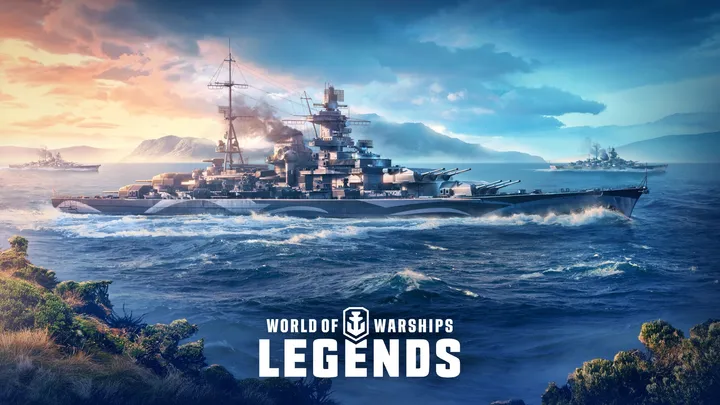
World of Warships has reached a transformative milestone in 2025. Once defined primarily as a strategic naval shooter with a historical foundation, the game has now evolved into a modern live-service title shaped through technical reworks, competitive expansions and community driven improvements. What began as a straightforward warship combat simulation has grown into a multi-layered battlefield where positioning, vision control, captain builds and teamwork matter more than raw firepower.
In 2025, Wargaming implemented its most ambitious update cycle since the Aircraft Carrier rework years ago. Critical systems have been redesigned, visual fidelity upgraded and the meta reshaped by new ship lines, balance passes and the growing influence of esports tournaments. This article examines the state of World of Warships in 2025 through the lens of gameplay evolution, community trends, fleet diversity and the future direction of naval warfare.
The New Combat Vision for 2025
Refining the Core Gunplay Loop
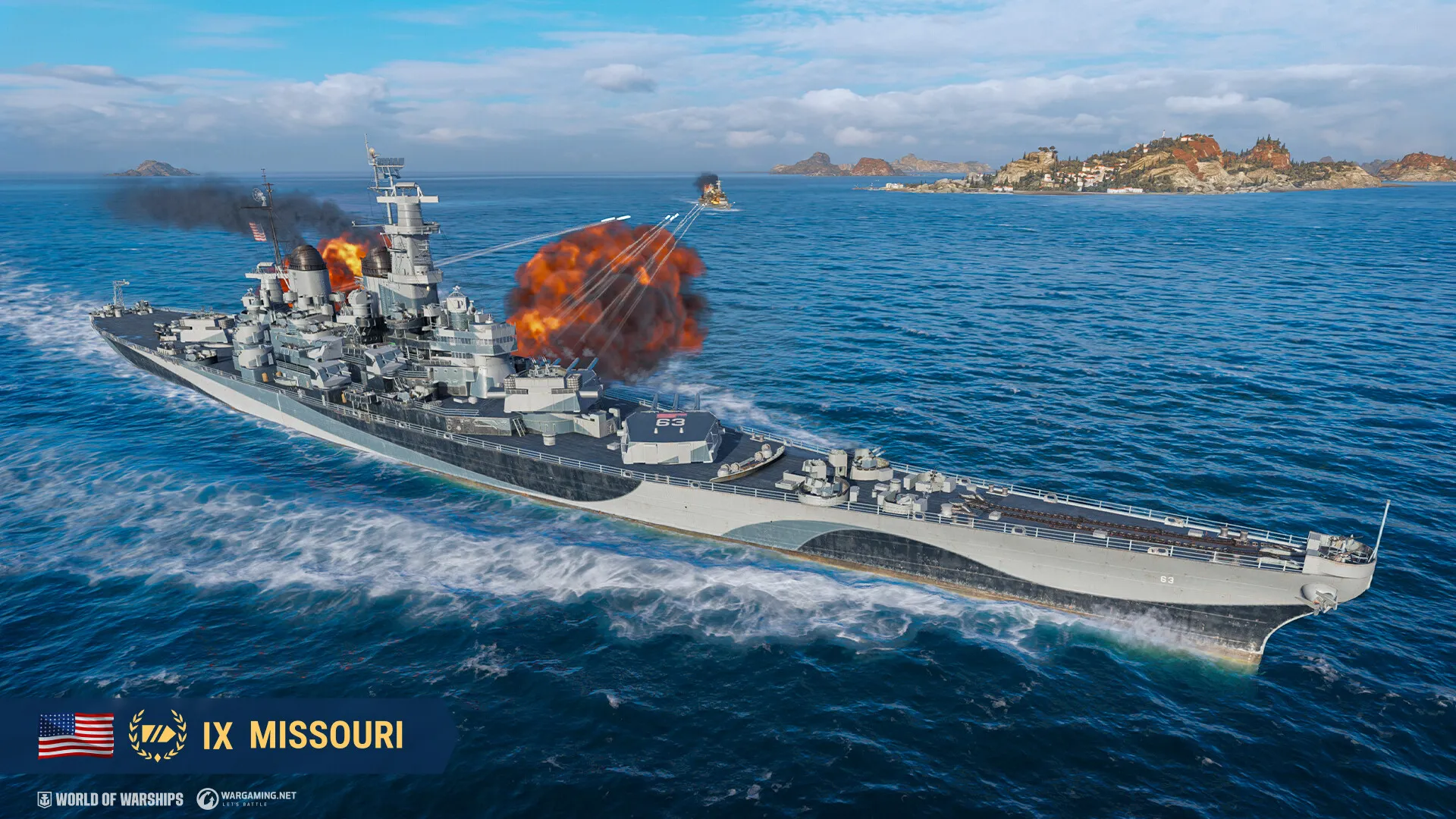
The largest change of 2025 is the gunnery and penetration recalibration. Shell drag, penetration dropoff and dispersion values were rebalanced to give each caliber clearer identity across ranges. Battleships now feel more punishing at optimal distances, while cruisers gained consistent mid range accuracy. Destroyers benefit from more predictable gun bloom behavior, enabling them to contest capture zones with greater confidence.
These updates reestablish core naval roles. Battleships tank and pressure from afar, cruisers control space and DDs provide map vision. The result is a healthier tactical flow, reducing random damage spikes and rewarding good angling.
Spotting Mechanics Reimagined
Spotting has always shaped the tempo of naval combat, yet it was also one of the most misunderstood systems. The 2025 spotting update separates aerial and surface detection categories. Aircraft can now spot only ship hulls, not torpedoes or shell splashes, shifting more responsibility to destroyers.
This significantly changes early engagements. Torpedo boats gain stealth superiority, radar cruisers become key assets again and carrier players must position aircraft more carefully.
New Ship Lines That Define the 2025 Meta
Pan European Battleships
The Pan European battleship line introduced in late 2024 now dominates 2025 with powerful range tools and enhanced accuracy. Their high velocity shells reward long range punctuation while weak armor forces players to rely on positioning rather than blind aggression.
The line’s unique repair party and compact citadel placement create a defensive identity that appeals to veteran players.
United States Fast Destroyers
The American fast destroyers represent a direct response to the competitive scene. They combine high concealment values with extended smoke screens and rapid firing guns, enabling consistent map control. Their presence in tournaments forces teams to rethink capture rotation and spotting assignments.
Japanese Hybrid Rework
The reworked hybrid ships now feature more specialized aircraft squads and clearer class identities. Their purpose is not raw damage but flexible utility that supports flanking operations and coordinated pushes.
A Visual Overhaul for the Modern Generation
Lighting, Water Simulation and Particle Effects
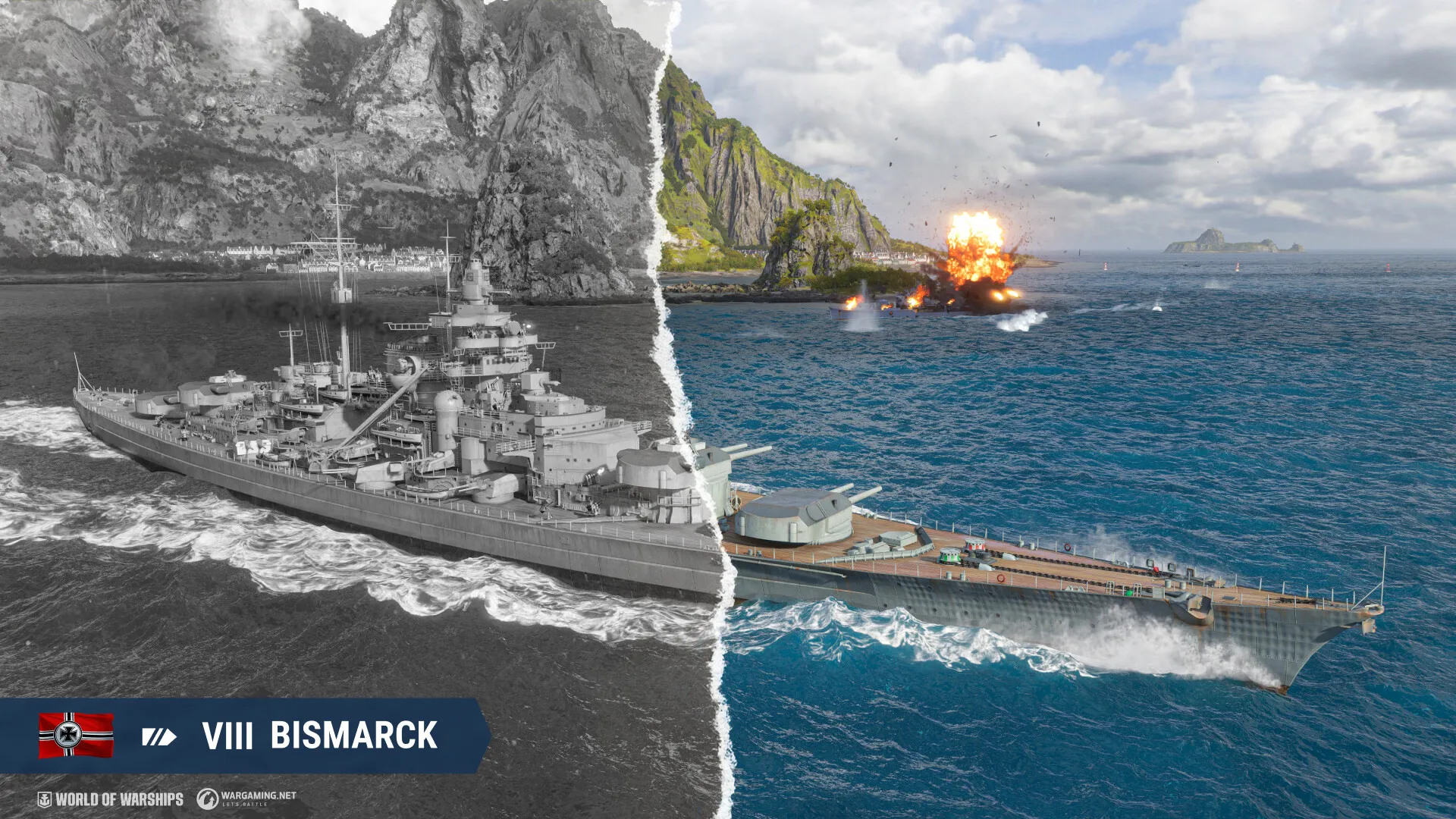
The 2025 graphical refresh elevates naval realism dramatically. New water rendering brings volumetric foam and multi directional wave physics that react to ship weight and movement. Light simulation is rebuilt with soft global illumination, creating realistic sunset reflections and storm lighting.
Explosions and shell splashes look heavier, more cinematic and easier to read during chaotic engagements.
Port UI Redesign
The port interface now prioritizes clarity. Ship stats are displayed in more meaningful categories such as Survivability, Precision, Detection Control and Utility. This helps new players understand roles while giving veterans more detailed analysis tools.
The Competitive Scene Reaches Maturity
A Revived Clan Battles Format
The Clan Battles rework introduces seasonal modifiers, rotating strategic maps and ship class limitations that force creativity. Teams can no longer rely on the same static lineups. Instead, they must evaluate which season favors battleships, cruisers or destroyers.
Competitive players appreciate the emphasis on tactical planning rather than mirror matches.
The Rise of Regional Leagues
Regional leagues in Europe, Asia and North America receive Wargaming sponsorship in 2025. These leagues produce highlight level matchups featuring top clans, high coordination and demonstrations of precise naval microplay. The community views these tournaments as proof that World of Warships has become a mature competitive ecosystem.
A More Transparent Balance Philosophy
Monthly balance updates now include detailed developer notes explaining data driven decisions. The transparency improves community trust and ensures major changes feel justified rather than arbitrary.
Evolving Player Strategies and the New Meta
Destroyers: Vision and Counter Vision
Destroyers are once again the most influential class. The spotting rework elevates their importance, making capture control the first major objective in every match. High concealment destroyers dominate the early game, while utility DDs support mid game pushes.
Cruisers: Area Denial and Support
Radar cruisers regain prominence as early game anchors. Long range support cruisers rely on careful angling and island cover to maximize damage output. Their role is to punish poor positioning and enable safe destroyer play.
Battleships: Precision Over Armor
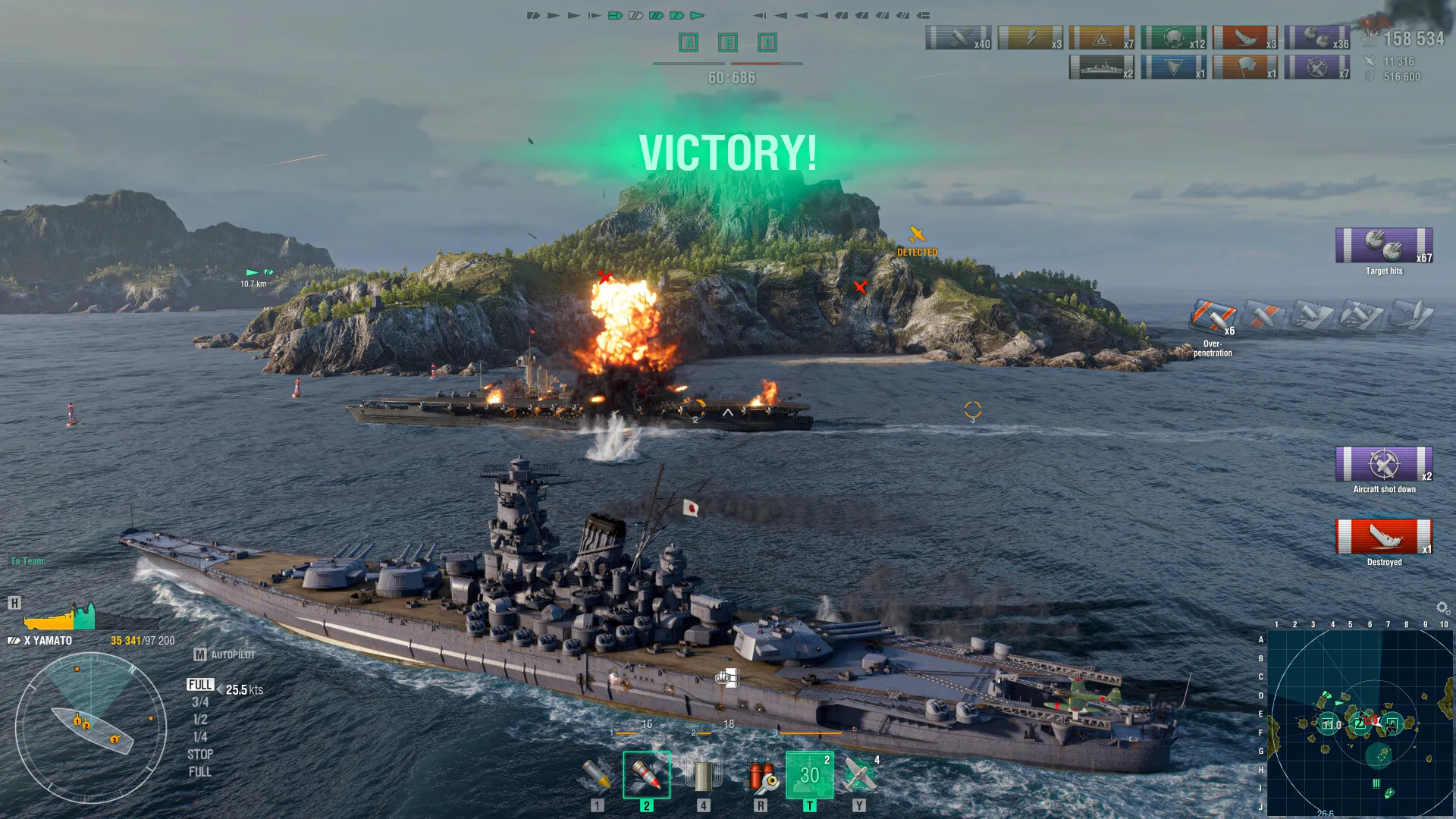
Gone are the days of passive long range sniping. Battleships must manage firing lanes and angle constantly. Positioning is more important than raw durability. Players who push at the wrong moment find themselves isolated and focused instantly.
Carriers and Submarines: Controlled Complexity
Carriers and submarines undergo further balance adjustments to reduce frustration. Submarines rely more on tactical positioning than unavoidable damage mechanics. Carriers emphasize information gathering rather than oppressive damage cycles.
Community Tools and Player Driven Innovation
Build Diversity and the Captain Rework
The captain rework encourages multiple viable builds per ship rather than one optimal meta. Destroyers can now choose between vision focused upgrades or aggressive torpedo builds. Cruisers can specialize in radar uptime or anti air support.
This diversity revitalizes ship personalization and reduces repetitive gameplay.
Modding and UI Enhancements
Wargaming now supports more quality of life UI mods natively, including customizable minimaps, reload timers and improved ship comparison tables. These tools help players analyze their performance more efficiently.
The Expanding World and Seasonal Content of 2025
Story Events and Historical Operations
The 2025 updates focus heavily on immersive storytelling. Seasonal operations highlight historical battles recreated with modern graphics and scripted event phases. Weather shifts, multi stage objectives and narrative voiceovers elevate them beyond simple missions.
Global Seasonal Themes
The Pacific Conflict season introduces maps inspired by Southeast Asia and integrates limited time event ships with unique gameplay quirks. The Arctic Breakthrough season adds dynamic blizzards that influence visibility and maneuvering.
Progression Improvements
The reward structure is more consistent and less reliant on complex containers. Seasonal progression lines provide achievable goals for casual players and deeper prestige rewards for long term veterans.
Player Economy and Monetization Adjustments
A More Predictable Reward System
Wargaming adjusts economic values to reduce grind pressure. Credits, XP and Free XP are now distributed more consistently based on performance metrics including spotting, tanking and potential damage.
This encourages players to contribute meaningfully rather than farming damage.
Cosmetic First Monetization
Premium ships remain available but monetization leans toward cosmetics, ports, ship skins and captain voice packs. This shift aligns with modern gaming expectations and avoids pay to win concerns.
The Future of World of Warships After 2025
Expanding Naval Frontiers
Developers hint at future expansions featuring enhanced weather systems, joint operations and new asymmetric battle modes. There is growing interest in large scale campaigns that combine PvP and PvE elements.
Community Led Balance Feedback
Player councils and test groups will continue shaping the meta. Wargaming increasingly relies on high level community data to adjust mobility, AA effectiveness, concealment and class interactions.
The Long Term Vision
World of Warships is positioned to remain the premier naval combat title for the foreseeable future. Its evolution from historical shooter to tactical live service platform sets a clear path for future innovation.
Conclusion
World of Warships in 2025 is defined by refinement, clarity and competitive depth. The game introduces major systemic reworks that elevate gameplay above random volatility and toward careful decision making. Spotting adjustments emphasize tactical map control, graphical improvements modernize the experience and new ship lines diversify fleet compositions. The competitive scene thrives through restructured leagues and seasonal clan battles while the community benefits from greater transparency and improved economic systems.
The result is a naval combat game that feels renewed, modern and strategically rich. After a decade of updates, World of Warships stands stronger than ever and its 2025 overhaul marks the beginning of a new era in global maritime warfare.