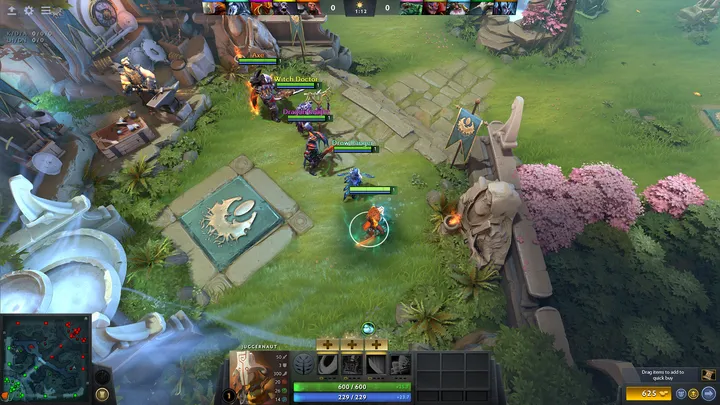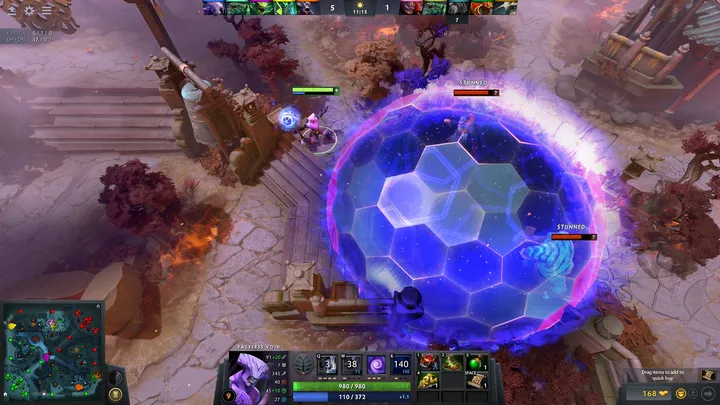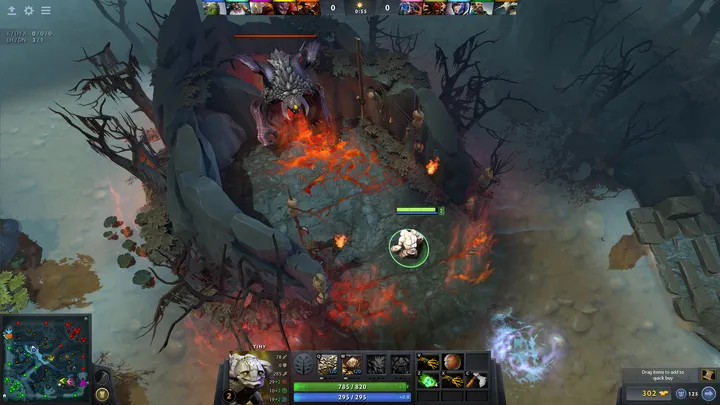






Dota 2 is one of the deepest and most competitive strategy games ever created. Developed by Valve, Dota 2 combines mechanical skill, map awareness, teamwork, hero knowledge, itemization, and decision-making into a complex multiplayer experience where every match feels different. Unlike simpler competitive games, Dota 2 demands long-term learning and constant adaptation.
New players often feel overwhelmed by the game’s massive hero roster, intricate mechanics, and strategic depth. However, understanding the core fundamentals can dramatically improve your performance. This complete Tips & Guides article walks through every stage of a Dota 2 match—from drafting and laning to late-game teamfights and ranked climbing—helping players develop stronger habits and more consistent gameplay.
<h2>1. Understanding the Core Gameplay Structure</h2>
Dota 2 is a 5v5 MOBA where two teams compete to destroy the enemy Ancient. Matches are divided into phases: laning, mid-game rotations, and late-game teamfights.
Every decision matters because small advantages can snowball into major leads. Unlike many games focused purely on mechanics, Dota 2 heavily rewards strategy and teamwork.
<h3>Main Gameplay Systems</h3>
- Hero drafting
- Laning and farming
- Objective control
- Teamfighting
- Vision and map awareness
<h4>Core Philosophy</h4>
Winning is not about getting the most kills—it’s about controlling the map and destroying objectives.
<h2>2. Choosing the Right Role and Heroes</h2>
Dota 2 has five primary positions, each with different responsibilities. Understanding your role is essential before mastering heroes.
Beginners should avoid overly complicated heroes and focus on learning core mechanics first.
<h3>Main Roles in Dota 2</h3>
- Position 1: Carry
- Position 2: Midlaner
- Position 3: Offlaner
- Position 4: Soft Support
- Position 5: Hard Support
<h4>Beginner Hero Suggestions</h4>
- Carry: Wraith King, Juggernaut
- Mid: Dragon Knight, Sniper
- Support: Lion, Crystal Maiden
Playing simple heroes helps players focus on positioning and decision-making.
<h2>3. Mastering the Laning Phase</h2>
The laning stage sets the foundation for the rest of the match. Winning lanes creates economic and experience advantages.
Many players lose lanes because they focus only on fighting instead of farming efficiently.
<h3>Laning Priorities</h3>
- Last hitting creeps
- Denying enemy creeps
- Managing lane equilibrium
- Harassing opponents safely
<h4>Important Laning Rule</h4>
Gold and experience matter more than early kills.
Maintaining consistent farm is one of the most reliable ways to improve.
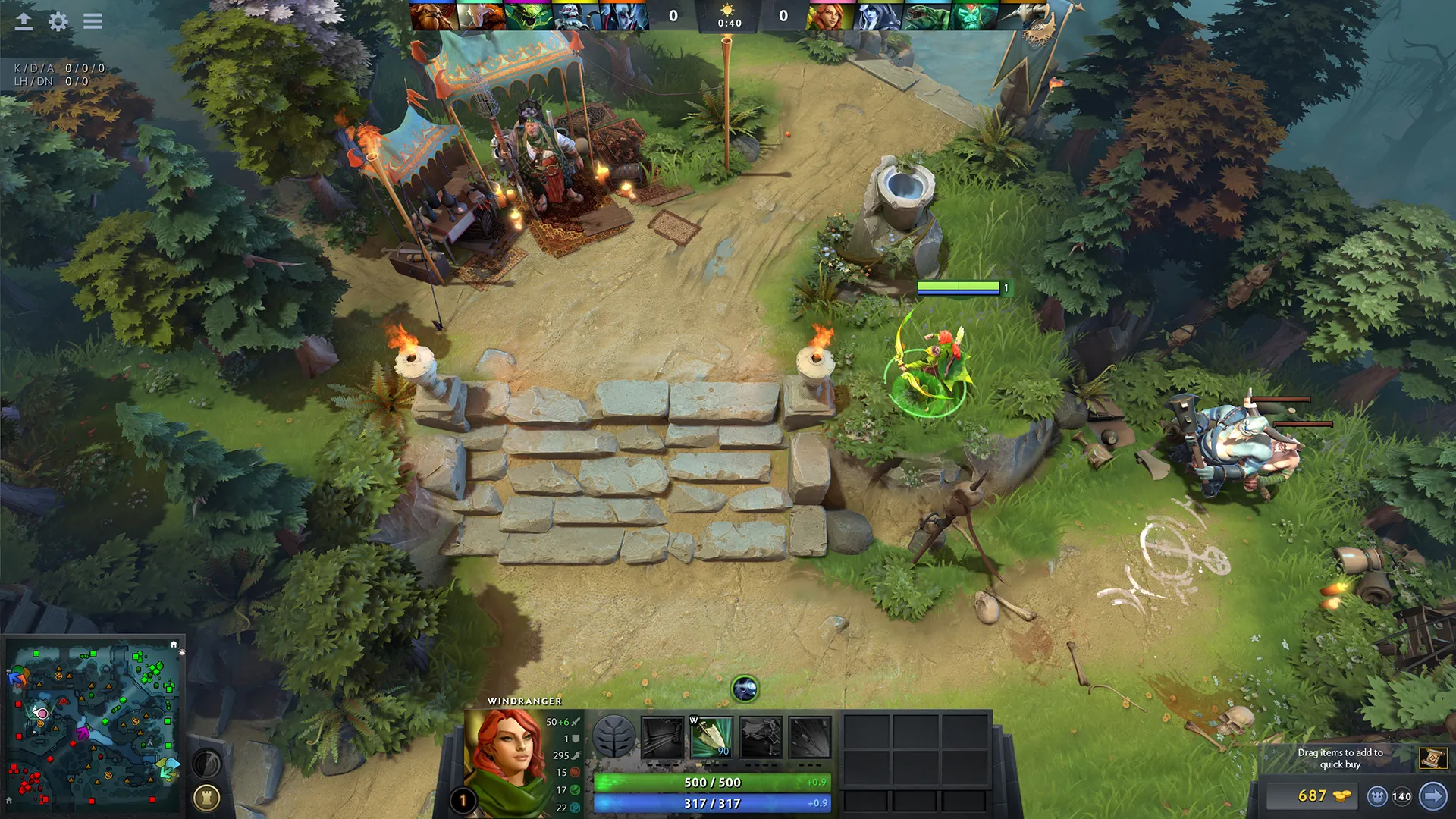
<h2>4. Farming Efficiently and Increasing GPM</h2>
Efficient farming separates average players from strong players. Carries and cores must maximize gold income while minimizing wasted time.
Players who farm slowly often fall behind even if they have kills.
<h3>Farming Tips</h3>
- Move between lane and jungle camps
- Avoid unnecessary fights
- Use abilities to clear waves efficiently
<h4>Efficiency Principle</h4>
Always be doing something productive on the map.
Standing idle wastes valuable resources and momentum.
<h2>5. Understanding Items and Itemization</h2>
Itemization is one of the most strategic aspects of Dota 2. Choosing the correct items depends on heroes, enemy drafts, and match tempo.
Blindly copying builds often leads to poor results.
<h3>Common Item Categories</h3>
- Damage items
- Defensive items
- Utility items
- Mobility items
<h4>Adaptive Itemization Tip</h4>
Build items to solve problems, not just increase damage.
For example, Black King Bar can completely change teamfight outcomes against heavy magic damage.
<h2>6. Vision Control and Map Awareness</h2>
Vision wins games in Dota 2. Wards provide information that allows teams to predict enemy movement and control objectives.
Players who ignore vision often get caught out repeatedly.
<h3>Important Vision Tools</h3>
- Observer Wards
- Sentry Wards
- Smoke of Deceit
<h4>Map Awareness Rule</h4>
Always check the minimap every few seconds.
Strong map awareness prevents unnecessary deaths and improves positioning.
<h2>7. Mid-Game Rotations and Objective Control</h2>
The mid-game begins when heroes start leaving lanes and fighting around objectives.
This phase is about map pressure and efficient movement.
<h3>Key Mid-Game Objectives</h3>
- Destroying towers
- Securing Roshan
- Controlling jungle areas
- Pressuring lanes
<h4>Rotation Strategy</h4>
Push objectives after successful fights instead of chasing kills endlessly.
Objectives create permanent advantages.
<h2>8. Teamfight Positioning and Execution</h2>
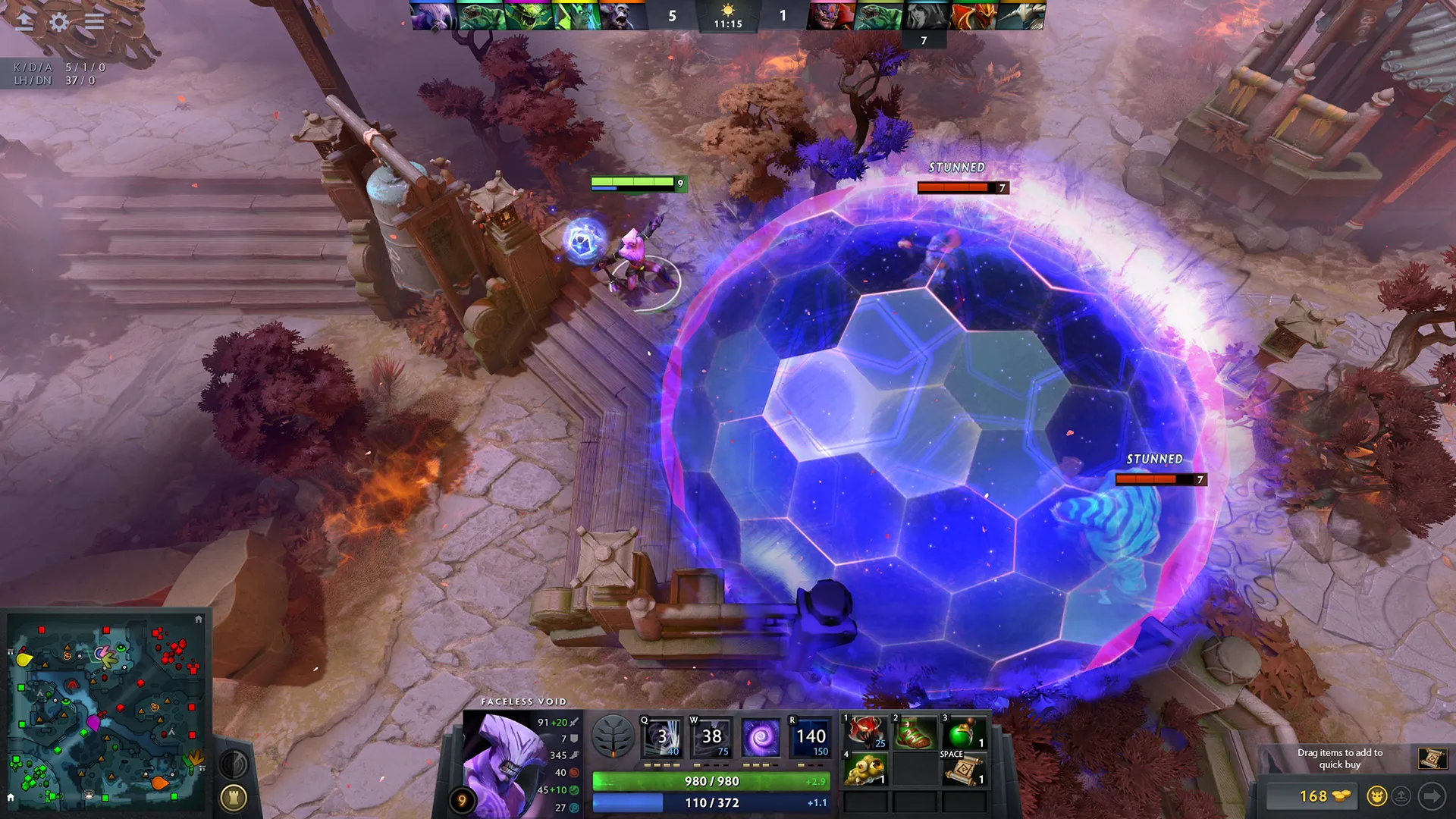
Late-game Dota 2 often revolves around teamfights. Positioning, spell timing, and target selection determine victory or defeat.
Even strong heroes die instantly if positioned poorly.
<h3>Teamfight Fundamentals</h3>
- Focus priority targets
- Protect fragile allies
- Use spells patiently
- Avoid overcommitting
<h4>Positioning Tip</h4>
Supports should stay behind cores while maintaining spell range.
Good positioning increases survival and impact.
<h2>9. Late Game Decision-Making and Comebacks</h2>
Dota 2 is famous for dramatic comebacks. Even teams with large advantages can lose due to poor decisions.
Late-game matches punish mistakes severely.
<h3>Late Game Priorities</h3>
- Maintain buyback gold
- Control Roshan vision
- Avoid isolated deaths
- Push safely with objectives
<h4>Comeback Principle</h4>
One bad teamfight can completely change the game.
Patience becomes increasingly important late in matches.
<h2>10. Improving Consistently and Climbing Ranked</h2>
Improvement in Dota 2 requires discipline and reflection. Players who blame teammates constantly improve much slower.
Focusing on personal mistakes leads to long-term growth.
<h3>Ways to Improve Faster</h3>
- Watch replays
- Learn from high-level players
- Practice a small hero pool
- Focus on fundamentals
<h4>Ranked Climbing Mindset</h4>
Consistency matters more than occasional great performances.
Players who maintain strong habits climb steadily over time.
<p>Conclusion</p>
Dota 2 is one of the most rewarding competitive games because every match offers opportunities to learn and improve. While the game’s complexity may seem intimidating at first, mastering the fundamentals—laning, farming, itemization, map awareness, and teamwork—creates a strong foundation for long-term success.
By applying the strategies in this guide, players can improve decision-making, become more efficient during every stage of the game, and contribute more consistently to their teams. Whether your goal is to climb ranked, master specific heroes, or simply understand the game better, patience and disciplined learning will help you steadily grow into a stronger Dota 2 player.