





Introduction
The gaming world has been waiting for years for the arrival of Grand Theft Auto VI, the next major installment in the legendary Grand Theft Auto series developed by Rockstar Games. Following the unprecedented success of Grand Theft Auto V, expectations for this new release are higher than ever before. With advancements in hardware technology and evolving player expectations, Grand Theft Auto VI is expected to redefine what players consider possible in open-world gaming.
This article provides a detailed exploration of Grand Theft Auto VI, arranged logically according to development timeline, gameplay mechanics, storytelling elements, and long-term industry impact. Each section builds upon the previous one to create a full picture of what this highly anticipated title represents. From historical background to technological innovations and final evaluation, this expert-level overview aims to capture the scale, ambition, and importance of Grand Theft Auto VI.
The Origins and Evolution of the Grand Theft Auto Franchise
Early Beginnings and Franchise Foundations
Before Grand Theft Auto VI could become reality, the franchise itself had to evolve across decades of innovation. The original Grand Theft Auto introduced players to an entirely new style of gameplay that emphasized freedom rather than strict linear progression.
During its early years, the franchise established several foundational elements that continue to influence modern game design. These elements include exploration-based gameplay, dynamic mission structures, and player-driven progression systems. At the time, these concepts were revolutionary and helped distinguish the franchise from other games in the market.
Important features introduced during the early years included:
- Non-linear mission structures
- City-based exploration
- Freedom to interact with the environment
- Vehicle-based gameplay mechanics
- Crime-themed storytelling
These innovations formed the backbone of future developments within the franchise.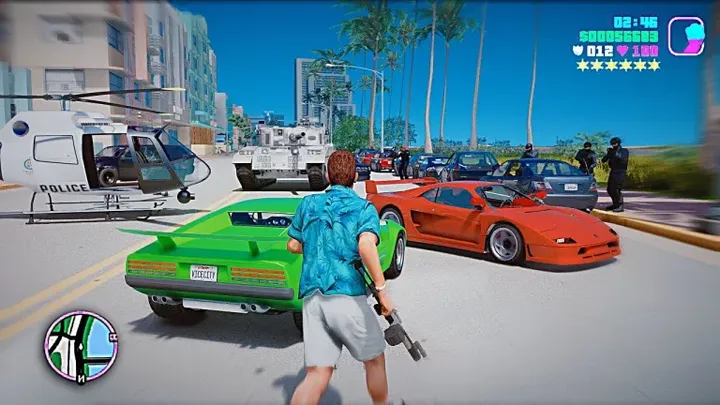
Transition into Three-Dimensional Worlds
The transformation into full 3D gameplay began with Grand Theft Auto III, marking a major technological breakthrough. The ability to move freely in three-dimensional space allowed developers to create deeper, more immersive environments.
Subsequent titles expanded these ideas significantly:
- Grand Theft Auto: Vice City
- Grand Theft Auto: San Andreas
These games introduced complex storytelling, expanded maps, and interactive world systems. The improvements made during this era established Rockstar as one of the most influential studios in gaming history.
Modern Era Success Leading to GTA VI
The release of Grand Theft Auto V pushed the boundaries of what open-world games could achieve. Its multiplayer expansion, Grand Theft Auto Online, extended the life of the game for years.
Several innovations from GTA V laid the groundwork for GTA VI:
- Multi-character storytelling
- Dynamic open-world interactions
- Continuous multiplayer updates
- Expansive world-building
These features demonstrated Rockstar’s ability to sustain long-term player engagement.
The Development Journey Toward Grand Theft Auto VI
Early Speculation and Industry Rumors
For years after GTA V’s release, speculation about GTA VI became a major topic within gaming communities. Fans analyzed leaks, patents, and developer hints to predict the direction of the next installment.
Common rumors included:
- A return to Vice City
- Larger world environments
- Improved artificial intelligence
- More realistic character interactions
Although unofficial, these predictions increased global anticipation significantly.
Official Reveal and Global Reaction
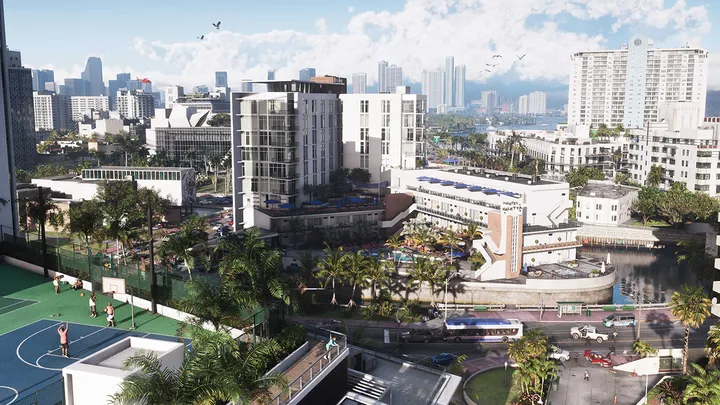
When Rockstar officially revealed Grand Theft Auto VI, excitement reached unprecedented levels. The trailer showcased a modernized version of Vice City, inspired by Miami.
The reveal highlighted several notable features:
- Highly detailed city landscapes
- Dynamic environmental lighting
- Realistic character animations
- Expansive world design
The announcement confirmed that Rockstar intended to push technical boundaries even further than before.
Development Challenges and Technical Ambitions
Developing a project of this magnitude required overcoming numerous challenges. The creation of a massive world with realistic interactions demands advanced systems and extensive testing.
Key development goals included:
- Designing seamless open-world transitions
- Enhancing artificial intelligence systems
- Improving environmental realism
- Supporting large-scale multiplayer integration
These technical ambitions explain the extended development timeline.
World Design and Environmental Depth
Return to Vice City and Surrounding Regions
One of the most exciting aspects of GTA VI is the return to Vice City, a setting beloved by longtime fans. This modernized version of the city is expected to include expanded environments beyond the urban core.
Environmental regions may include:
- Urban city districts
- Beachfront neighborhoods
- Rural countryside
- Swamp regions
- Industrial zones
Such diversity increases exploration opportunities and gameplay variety.
Dynamic Living Cities
Modern open-world games aim to simulate real-world environments realistically. GTA VI introduces advanced systems designed to make the world feel alive.
Expected environmental behaviors include:
- Pedestrian daily routines
- Realistic traffic movement
- Interactive businesses
- Random world events
These features ensure that the environment reacts naturally to player actions.
Weather Systems and Environmental Effects
Weather plays a major role in immersion and gameplay variation. Changing weather conditions create new challenges and opportunities.
Possible weather systems include:
- Heavy storms
- Foggy environments
- Dynamic lighting changes
- Seasonal environmental shifts
These systems add unpredictability and realism to gameplay experiences.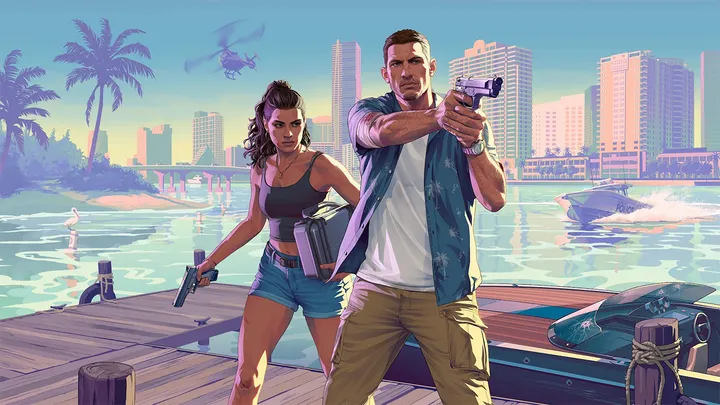
Gameplay Systems and Player Freedom
Open-World Gameplay Philosophy
The open-world philosophy of GTA VI encourages exploration and creativity. Players are free to choose how they interact with the environment and complete missions.
Typical gameplay activities may include:
- Story missions
- Side missions
- Exploration challenges
- Competitive events
- Economic activities
These systems create long-lasting engagement.
Combat and Tactical Mechanics
Combat systems are expected to feature major improvements over earlier titles. Developers aim to create more realistic encounters that reward strategic thinking.
Possible improvements include:
- Advanced aiming mechanics
- Improved cover systems
- Intelligent enemy behavior
- Enhanced weapon customization
These mechanics create deeper tactical gameplay.
Driving and Transportation Systems
Driving remains central to GTA gameplay. GTA VI is expected to feature improved vehicle physics and expanded transportation options.
Vehicle categories may include:
- Sports cars
- Motorcycles
- Boats
- Aircraft
- Utility vehicles
Each vehicle type offers unique gameplay experiences.
Characters and Narrative Evolution
Dual Protagonist Story Structure
One major storytelling innovation involves the use of multiple playable characters. This approach allows players to experience the story from different perspectives.
Advantages of this structure include:
- Expanded storytelling depth
- Varied mission design
- Character-driven narratives
- Increased replayability
This narrative design adds complexity and emotional engagement.
Character Diversity and Representation
Grand Theft Auto VI introduces new character dynamics, including a prominent female protagonist. This marks an important evolution in the franchise’s storytelling approach.
Benefits include:
- Greater narrative diversity
- New relationship dynamics
- Expanded character development
These changes reflect modern storytelling trends.
Themes and Emotional Storytelling
Storytelling themes are expected to focus on complex relationships and survival challenges.
Key narrative themes include:
- Loyalty and betrayal
- Financial struggles
- Crime and ambition
- Personal transformation
These themes deepen player immersion.
 Multiplayer Expansion and Online Features
The Future of Online Gameplay
Following the success of Grand Theft Auto Online, GTA VI is expected to expand multiplayer capabilities significantly.
Possible multiplayer features include:
- Cooperative missions
- Competitive gameplay
- Social interaction systems
- Persistent player environments
These features support long-term engagement.
Player Economy and Online Interaction
Modern multiplayer systems often include player-driven economies.
Potential online systems include:
- Business ownership
- Trading systems
- Resource management
- Community events
These elements increase replay value.
Potential drawbacks include:
1. High Hardware Requirements
- Older systems may struggle
- Hardware upgrades may be necessary
2. Large File Size
- Requires significant storage space
3. Possible Monetization Concerns
- Microtransactions may impact gameplay
4. Launch Stability Risks
- Early performance bugs possible
5. Long Development Expectations
- High expectations increase pressure
Conclusion
Grand Theft Auto VI represents one of the most ambitious projects in modern gaming history. Built upon the foundation established by earlier titles in the Grand Theft Auto series, this new installment is expected to redefine open-world gameplay standards once again.
With its return to Vice City, enhanced gameplay systems, and expanded multiplayer features, GTA VI promises to deliver an experience that blends storytelling, exploration, and technological innovation. While challenges such as hardware requirements and potential technical issues remain concerns, the overall outlook remains overwhelmingly positive.