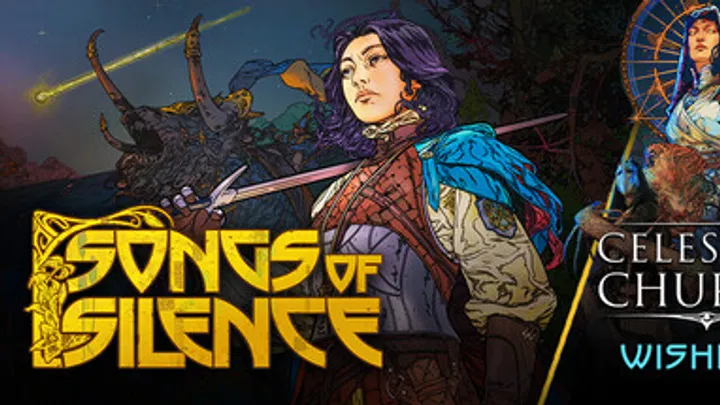
Songs of Silence is a rare strategy game that blends tactical depth, painterly art, and powerful storytelling into one haunting, unforgettable experience. Built on a foundation of turn-based exploration and automatic real-time battles, it feels both familiar and unique. From the moment you step into its fractured world shaped by light, war, and a deadly spreading force known as the Silence, you know you're entering something special. This review walks through the full experience from a player’s point of view — its battles, worldbuilding, music, progression, and what makes it so captivating.
1. First impressions stepping into its world
Your first minutes with Songs of Silence immediately show that this is not just another strategy game. The visual style is stunning — everything looks like a moving illustration, as if a fantasy novel came alive. Characters, factions, forests, deserts, ruins, and monsters appear sharp yet hand-painted, giving the world a myth-like atmosphere.
As a player, I felt pulled into a place that is beautiful but broken. The Silence is consuming the land, turning everything into static void, and the sense of urgency strikes immediately. That emotional tone sets the game apart right from the beginning.
2. A unique blend of turn-based paths and real-time battles
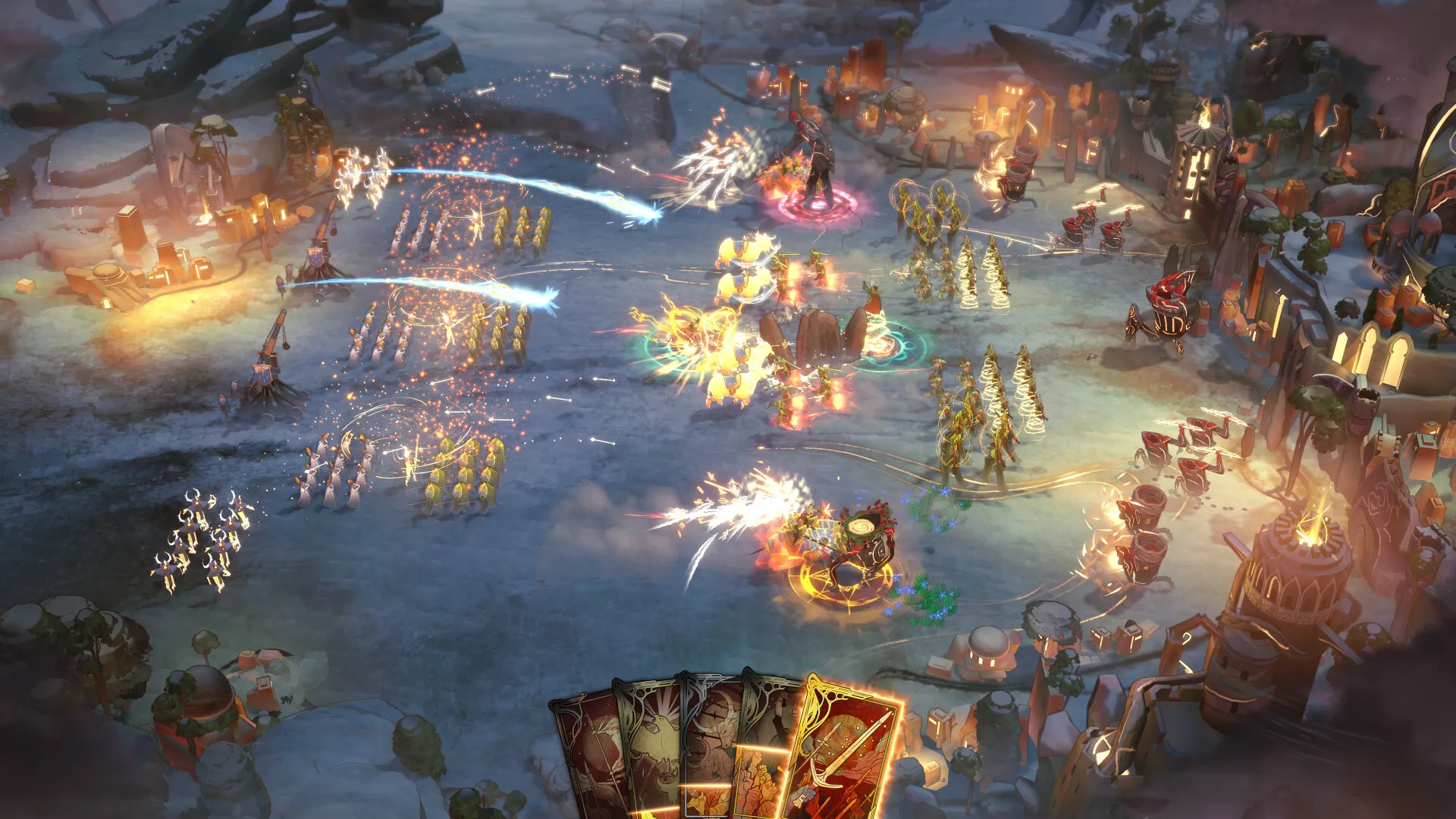
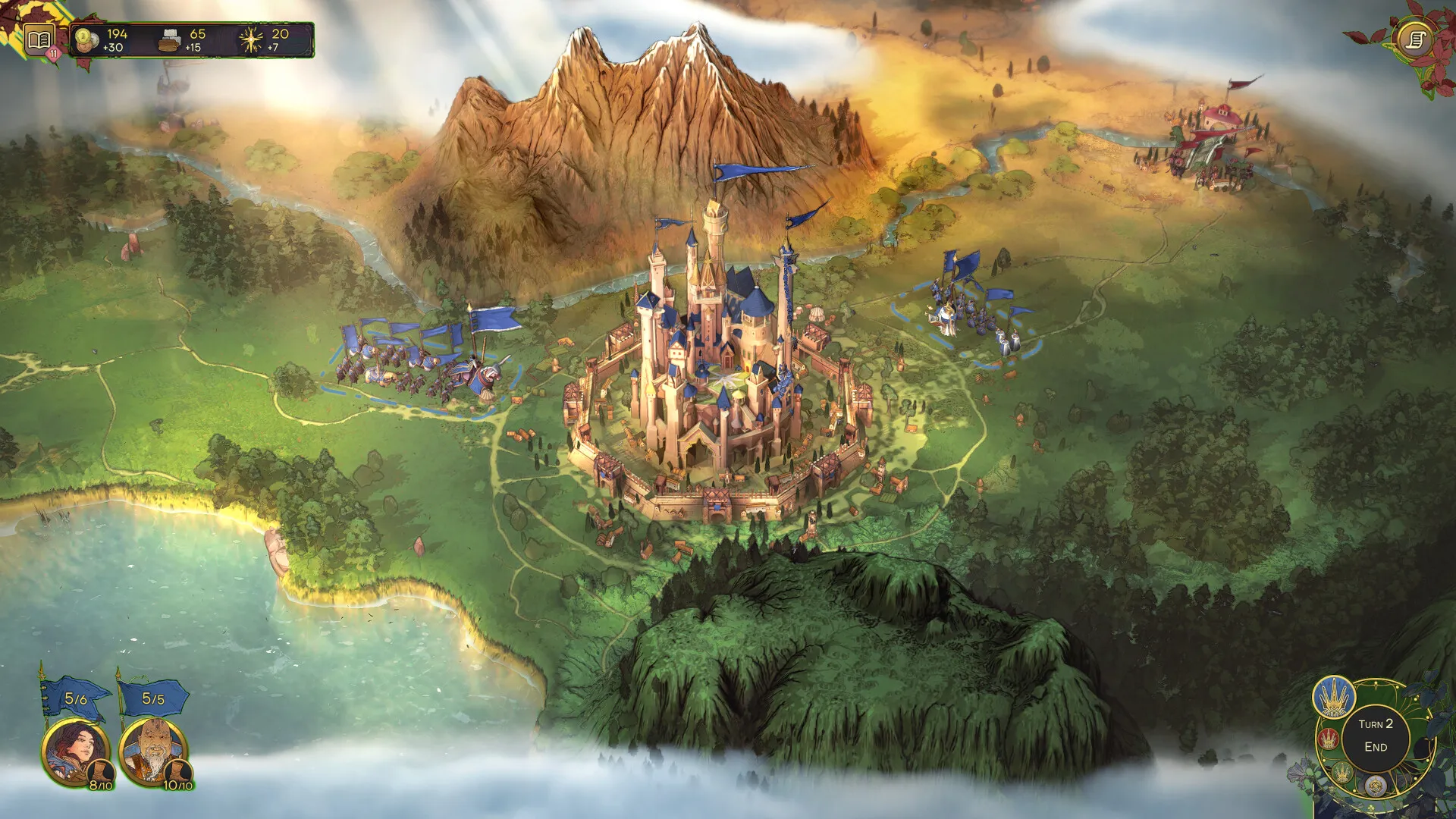
Songs of Silence mixes two systems smoothly. Exploration is turn-based. You move heroes across a map filled with resources, enemies, villages, and choices that matter. But once you enter a fight, the game switches to short, real-time automatic battles.
At first I was unsure about not directly controlling units during combat. But after several battles, I realized that the strategy happens before the clash — building armies, selecting cards, choosing routes, managing risk. Battles then become quick cinematic resolutions of your decisions.
This blend keeps the pace fast, satisfying, and never overwhelming.
3. The Silence — an enemy that feels alive
The main antagonist, the Silence, is one of the most interesting elements of the game. It is not a faction with leaders or motives but a consuming force that spreads across the map.
As a player, watching areas fall under its corruption adds tension to every move. Villages you could save earlier may vanish later. Lost areas remain lost.
What impressed me most is how the game uses the Silence to shape your decisions. You are always balancing exploration, combat, and racing against corruption.
4. The card system — simple but surprisingly deep
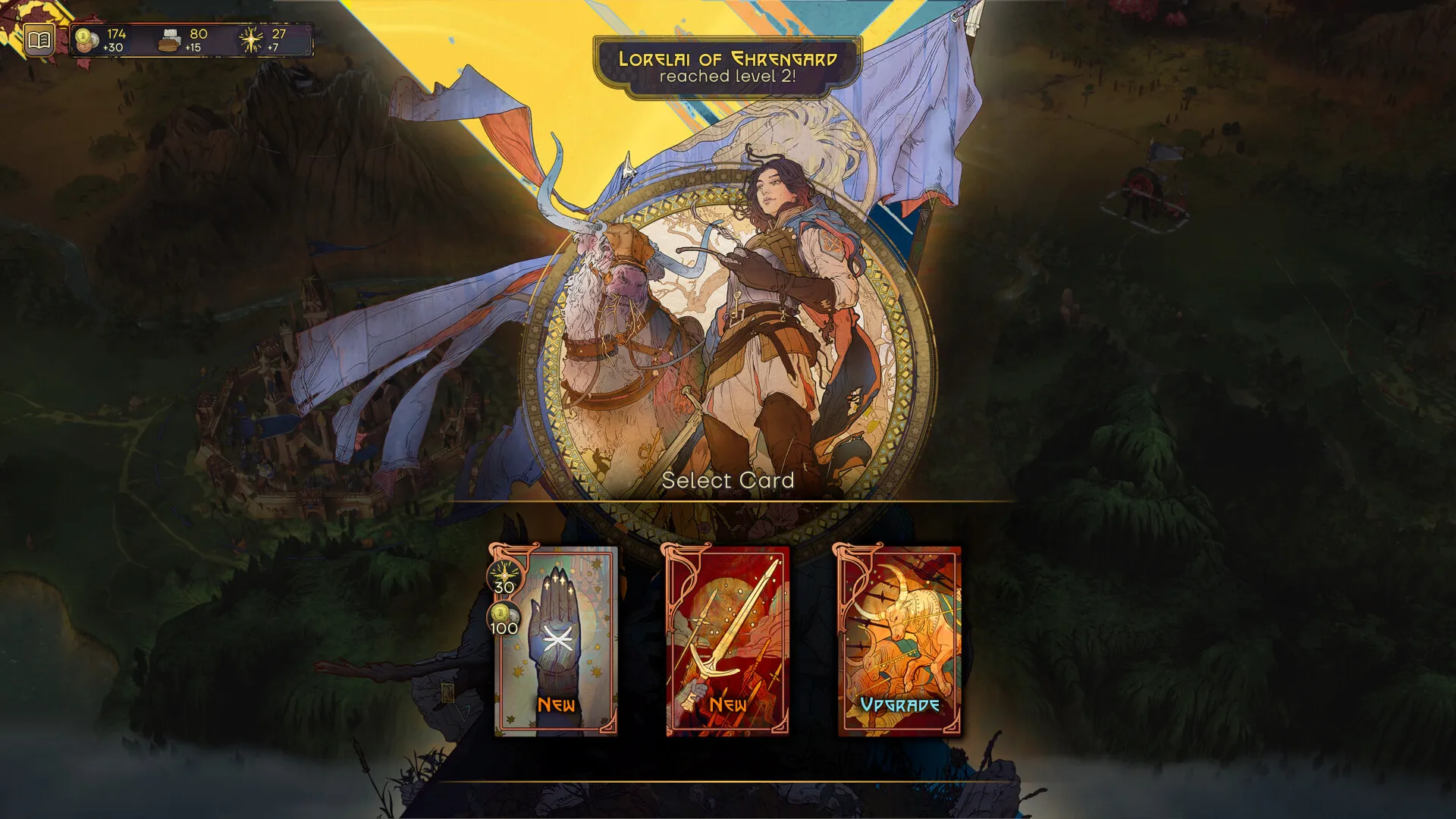
Songs of Silence uses a card-based ability system. You unlock and equip cards that influence battles, boost armies, summon reinforcements, or impact exploration.
What I love here is the game’s restraint — cards are powerful, but not overwhelming. You’re not drowning in complex decks. Instead, you build a small set that defines your playstyle.
During my playthrough, certain cards completely changed the tempo of battles. A shield formation card saved my frontline countless times, while a speed boost card allowed cavalry to sweep enemy archers instantly.
It’s a flexible, elegant system that rewards experimentation.
5. Campaign storytelling and emotional characters
The campaign mode is where Songs of Silence truly shines. The game follows multiple heroes, kingdoms, and shifting alliances, all affected by the growing Silence.
What surprised me most was how personal the story feels. Each hero has emotional weight instead of being generic strategy units. Their dialogues, struggles, and sacrifices create connections that push you through the campaign not just for gameplay, but for narrative payoff.
The pacing is also excellent — each chapter introduces new mechanics without overwhelming the player.
6. The beauty of risk and reward in exploration
Exploration in Songs of Silence carries constant decision-making. Do you expand further into unknown territory for better rewards? Or do you fortify safe routes to survive longer?
During my own runs, I often found myself torn between chasing rare resources or retreating from growing corruption. That tension creates some of the game’s best moments.
Tiny discoveries — a hidden shrine, an abandoned caravan, a recruitable faction — all push you to explore “just one more tile,” which is the mark of great strategy design.
7. Battles that feel like mythic illustrations come alive
Even though battles are automated, they are visually spectacular. Units clash in sweeping formations, spells flash across the battlefield, cavalry charges land with force, and archers rain volleys in synchronized arcs.
Your input is your preparation — the battlefield is the result.
As a player who loves tactics, I appreciated how battles let me read outcomes, analyze compositions, and adjust strategies without micromanagement. It creates a rhythm that feels fast, impactful, and accessible.
8. Music and sound design — the heart of the experience
Given the name Songs of Silence, music plays a central role. And it is breathtaking.
The orchestral soundtrack enhances exploration with melancholic strings, deep choirs, and haunting vocals. The music shifts dynamically during tense moments, creating an emotional flow that ties perfectly into the game’s fantasy atmosphere.
Audio cues in battle — drums, horns, rapid clashes — make encounters feel epic even though you’re not directly controlling units.
The soundscape is one of the strongest reasons the game feels so immersive and artistic.
9. Progression, heroes, and long-term strategy
As you advance through the campaign or skirmish modes, you unlock more heroes, cards, units, and choices.
Progression is steady and never grindy. Heroes become more specialized, armies gain new capabilities, and card options expand your tactical identity.
I particularly enjoyed experimenting with different heroes, because each one truly changes the rhythm of a campaign run. Some encourage aggressive expansion while others work best with defensive territory control.
The long-term evolution of your roster creates a rewarding sense of mastery.
10. Final thoughts — why Songs of Silence deserves attention
Songs of Silence is one of the most distinct strategy games in recent years. It blends turn-based exploration with real-time battles, paints its world through incredible art, and delivers emotional storytelling enhanced by a stellar soundtrack.
From a player’s point of view, the game feels rich, atmospheric, and thoughtfully crafted. It respects your time, offers meaningful decisions, and builds tension through the ever-encroaching Silence.
While some players may wish for more direct battle control, the game’s hybrid design remains refreshing and surprisingly deep.
For anyone who enjoys tactical thinking, fantasy storytelling, and artistic presentation, Songs of Silence is absolutely worth playing.