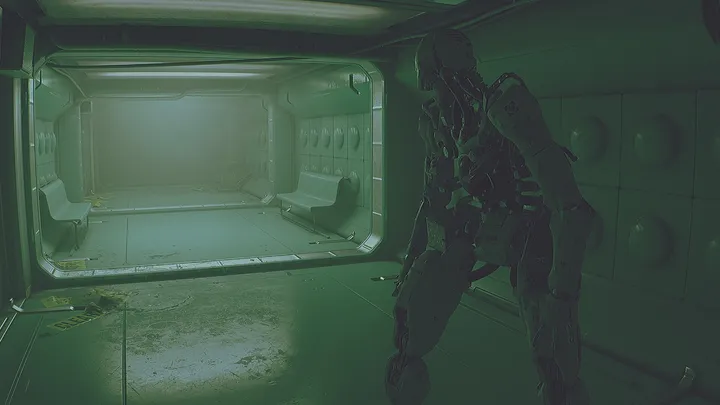







Routine is a tense, atmospheric survival-horror experience built on exploration, resource scarcity, and deadly unpredictability. The game demands sharp awareness, steady nerves, and the ability to make fast decisions under pressure. Winning in Routine is not about brute force—it’s about caution, perception, and planning every step you take.
If you keep dying early, run into ambushes, or waste resources too quickly, this guide will help you master the core mechanics and move through the abandoned lunar base with confidence.
Understand the Game’s Core Survival Loop
Routine revolves around three pillars: exploration, risk management, and information gathering. You cannot win by rushing. The environment is designed to punish players who move without thinking.

To succeed, you need to:
- Study each area before committing to a direction
- Identify safe retreat paths
- Listen carefully for mechanical noises
- Prioritize information over loot
Most players fail because they treat Routine like an action game. It is not. It’s a slow, methodical survival experience where observation matters more than aggression.
Slow Movement Is Your Greatest Weapon
In Routine, sound can kill you. Walking too fast, bumping objects, or sprinting in long corridors increases your chances of triggering enemy attention.
Always follow this method:
- Move a few steps
- Stop and listen
- Continue only when the environment is calm
This small habit drastically reduces surprise encounters and gives you time to plan your escape if something appears around a corner.
Master Audio Awareness
Routine’s sound design is intentionally sharp and minimal. Every noise means something, and smart players treat audio cues like survival tools.
Sounds to pay attention to:
- Mechanical buzzing: an enemy is nearby
- Soft whirring: movement inside ducts
- Sudden silence: environment is preparing to shift
- Electrical crackling: dangerous zones or broken machinery ahead
Always stop walking when you hear something unfamiliar. Silence your movement and rotate slowly to locate the direction of the sound before taking another step.
Use Flashlight Control Wisely
Your flashlight is essential, but leaving it on all the time is dangerous.

Good habits:
- Turn it off in tight spaces
- Flick it briefly to check corners
- Don’t shine it directly at open hallways
- Use darkness as a defensive tool
Enemies react differently depending on light direction and brightness. Mastering on/off management can save your life in multiple situations.
Make a Mental Map of Every Area You Explore
Routine does not hand you detailed maps. You must create your own mental layout as you explore.
Focus on:
- Exit routes
- Looping paths
- Areas with hiding spots
- Locations with useful items
- Rooms that link back to major corridors
The real danger in Routine comes from getting lost and cornered. Knowing where you are at all times reduces panic and increases survival chances.
Learn When to Retreat Instead of Fight
Routine is designed so that direct confrontations are risky and often fatal. Winning requires embracing retreat as a strategic choice.
You should back away when:
- You hear a mechanical enemy activating
- The lights flicker too quickly
- You enter a room with poor visibility
- Your path splits unexpectedly
Retreating is not losing—it’s resetting the situation so you can re-approach it safely.
Conserve Tools and Resources
Routine provides very limited tools, batteries, and useful items. New players often waste them early and struggle later.

Only use items when:
- You have no alternative path
- You are trapped
- You must power a door essential to progression
- You are returning to a safe area and preparing for a long route
Treat your resources like gold. If you think, “maybe I should use this,” the answer is usually no.
Don’t Overlook Environmental Clues
Routine hides storytelling and danger signals inside the environment. Every flicker, every discarded object, every sound pattern provides hints.
Pay attention to:
- Loose wires on the ground
- Signs of recent movement
- Dust patterns on the floor
- Broken doors or scratched metal
- Repeating mechanical noises in a loop
Recognizing these clues helps you predict enemy zones and avoid dead ends.
Manage Your Stress and Avoid Panic Moves
Routine is designed to make you panic. Sudden darkness, echoing sounds, or a flicker of movement can cause players to sprint blindly—usually straight into danger.
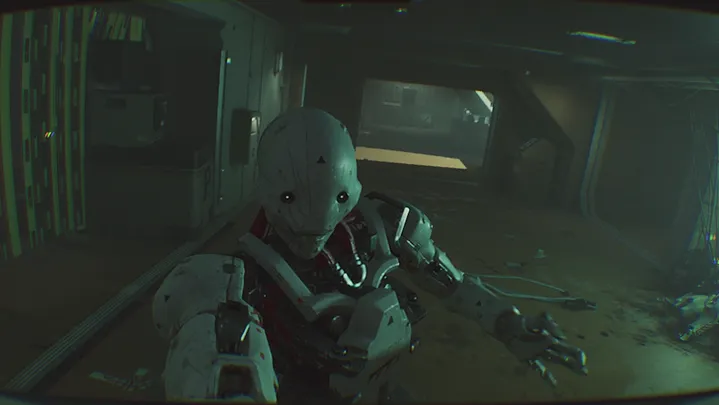
To avoid panic mistakes:
- Breathe and stop moving when startled
- Control your flashlight instead of waving it
- Backtrack slowly instead of running
- Pause the game if your hands start shaking
Survival depends on staying calm in situations meant to frighten you.
Develop a Long-Term Survival Mindset
Winning in Routine isn’t about a single lucky run—it’s about consistency. Each attempt builds your game knowledge, timing, and spatial awareness.
To master the game long-term, focus on:
- Repeating safe movement techniques
- Memorizing enemy behavior
- Understanding environmental signals
- Practicing controlled navigation
- Using mistakes as learning opportunities
The more you play, the more predictable the game becomes, and the easier it is to stay ahead of danger.
Conclusion
Winning in Routine requires patience, discipline, and strong awareness. The game rewards players who move slowly, listen carefully, study the environment, and treat every encounter as a potential threat. By mastering audio cues, controlling your flashlight, planning safe routes, and managing your stress, you create the conditions for consistent survival. With enough practice, Routine becomes less of a nightmare and more of a strategic challenge you can overcome with confidence.